+995 574 770 088
AMI Logo IMSG Logo
INTERNATIONAL MONTESSORI SCHOOL OF GEORGIA

About Us

International Montessori School of Georgia is the only preschool educational institution in Georgia operating in accordance with the international standards of Association Montessori Internationale (AMI®) and being part of the official AMI® system.

Our school represents the authentic approach of Maria Montessori based on international AMI® principles and standards. We create a prepared environment in which each child is perceived as a unique individual, and their independence, individual pace of development, and natural potential are at the center of the educational process.

Our Teachers

Our Teachers

Our teachers work in accordance with Montessori principles and undergo professional training required to implement the authentic Montessori approach.

AMI® Affiliation

AMI® Affiliation

AMI® affiliation is an important confirmation of our commitment to international quality standards of Montessori education and responsibility to children and their families. International Montessori School of Georgia is a space where education begins with respect for the child.

Join our team, become a Montessorian! Registration is open for all age groups.

Our Mission

To develop and make accessible authentic education in Georgia based on international standards, with deep respect for the uniqueness of each child, their individual pace of development, and natural potential.

We create an environment in which the child is an active participant in their own development, given the opportunity to make independent choices, act independently, and gradually build a sense of responsibility.

Our work is based on the scientific and pedagogical heritage of Maria Montessori and international principles and standards of Association Montessori Internationale (AMI).

We pay special attention to staff training, the development of educational practice, and establishing high standards of education quality in Georgia.

Our Vision

To create an ecosystem in Georgia based on internationally recognized quality standards, professionalism, and pedagogical ethics.

We are convinced that the true goal is the formation of independent thinking, intrinsic motivation, responsibility, creative potential, and high human values.

We strive for a future in which every child has the opportunity to grow in dignified conditions that support the natural desire for knowledge and help reveal their abilities.

Our goal is to nurture a harmonious personality — a person capable of creating a better future for themselves and the world around them.

Traditions and Path to Success

Montessori Kindergarten students

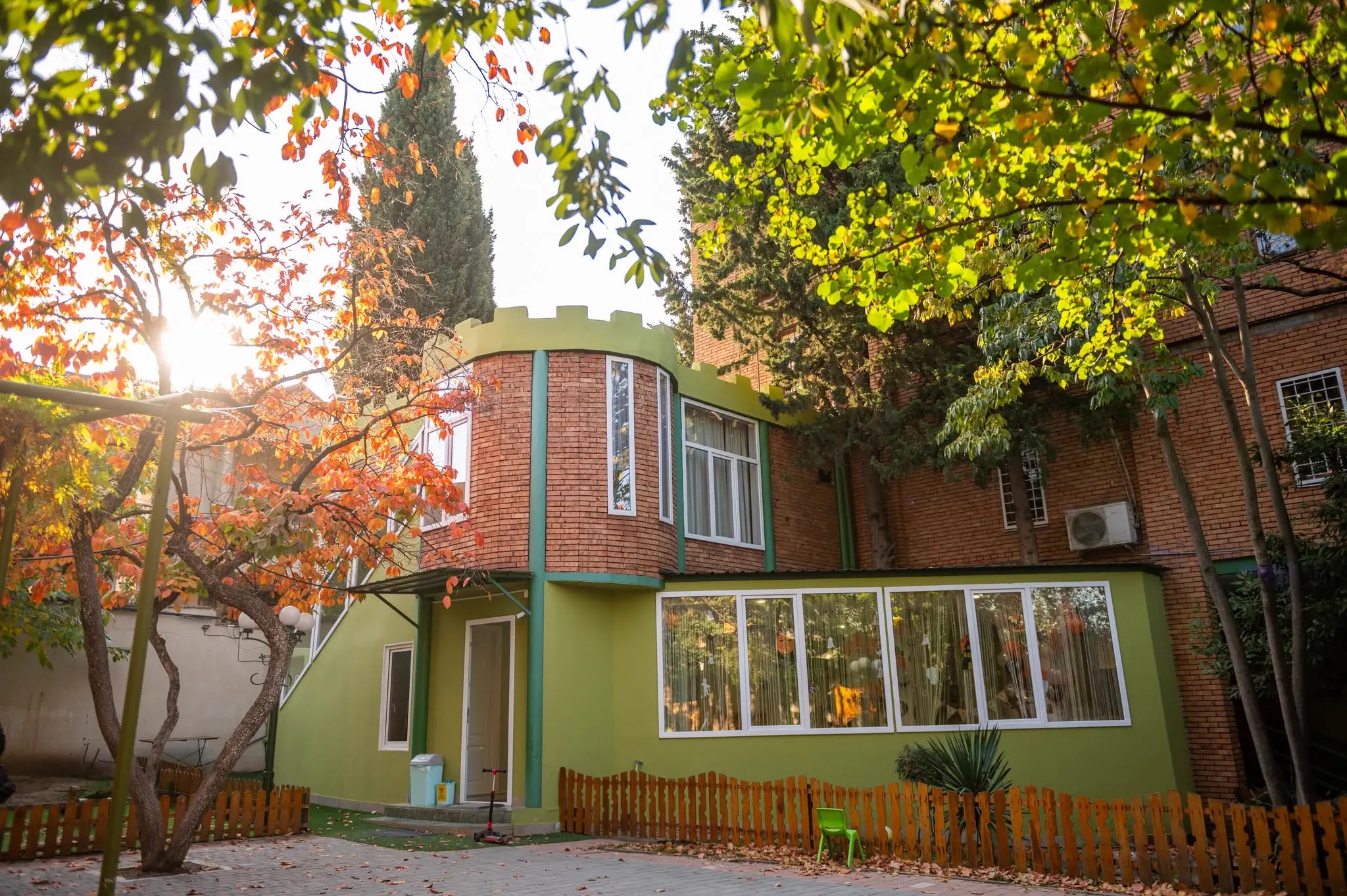
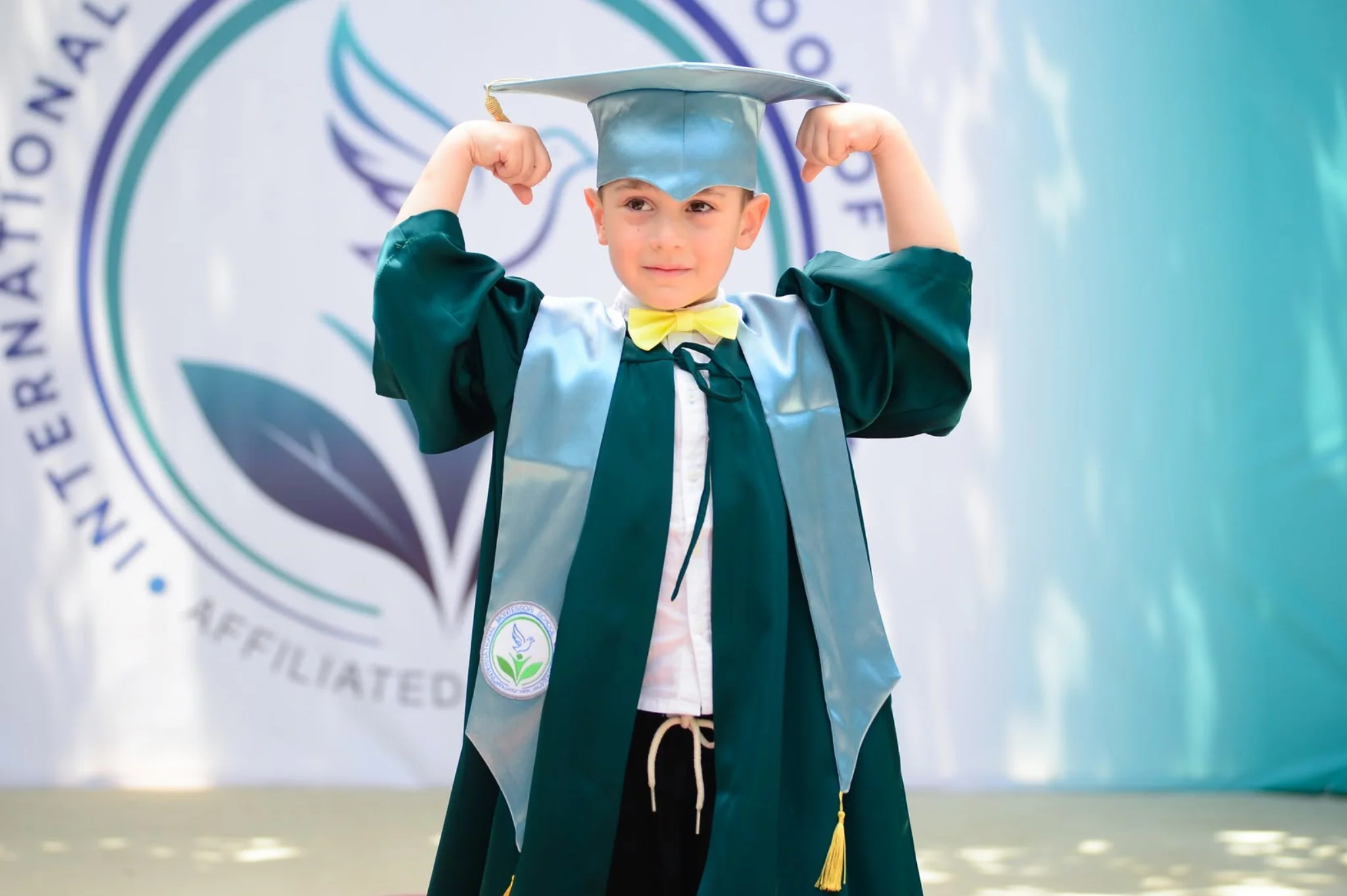
On April 4, 2021, our Montessori Kindergarten was founded. Today, with special pride, we celebrate an important milestone in our history — we have guided our fourth generation of students into school life.

Over these years, Montessori has become for us not just an educational system, but a complete philosophy based on respect for the child, their individuality, freedom of choice, and natural drive for development.

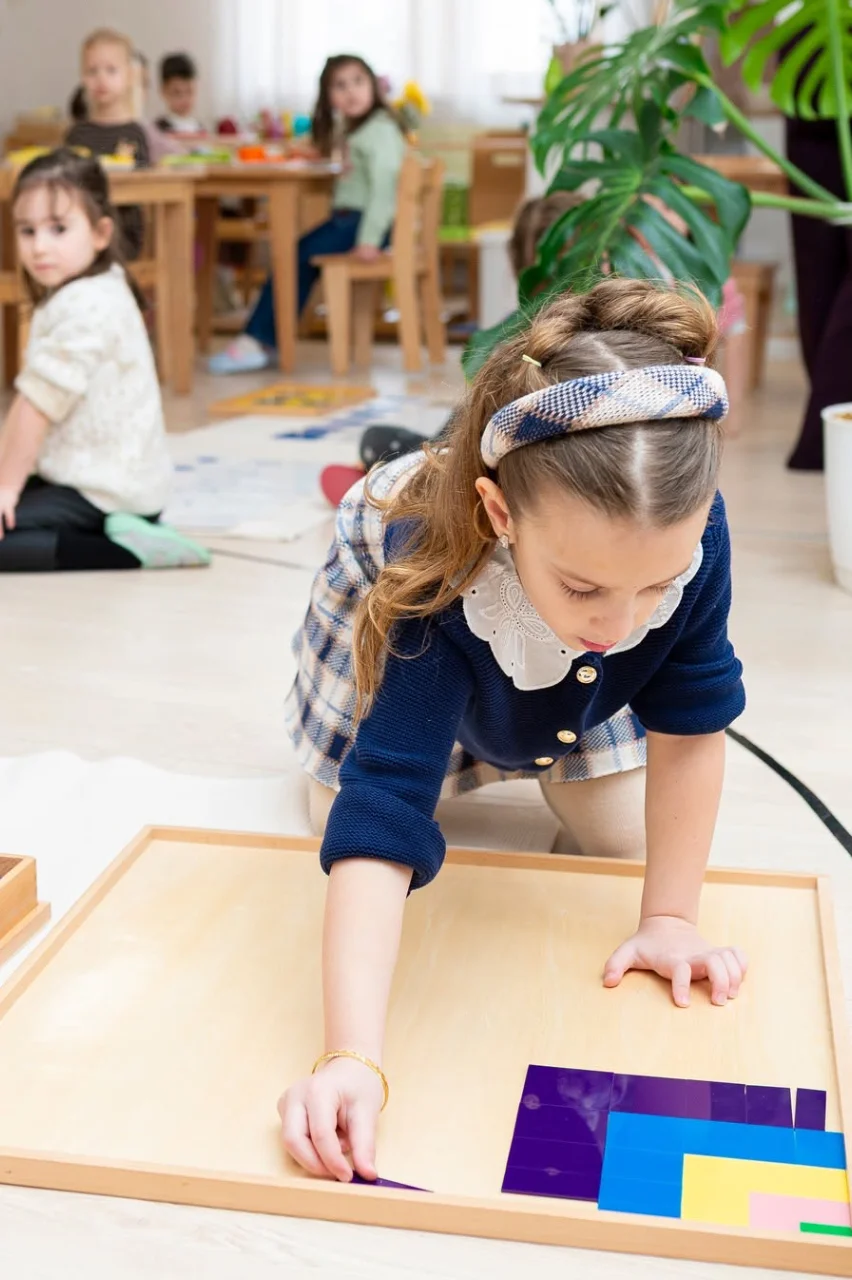
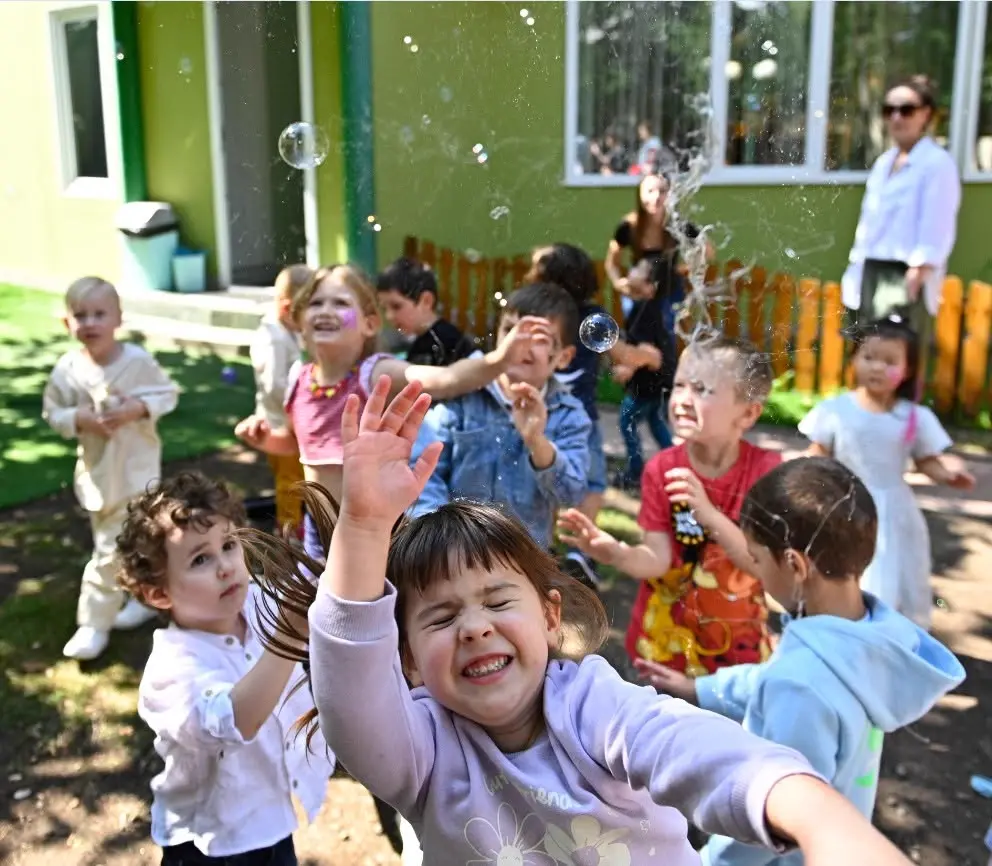
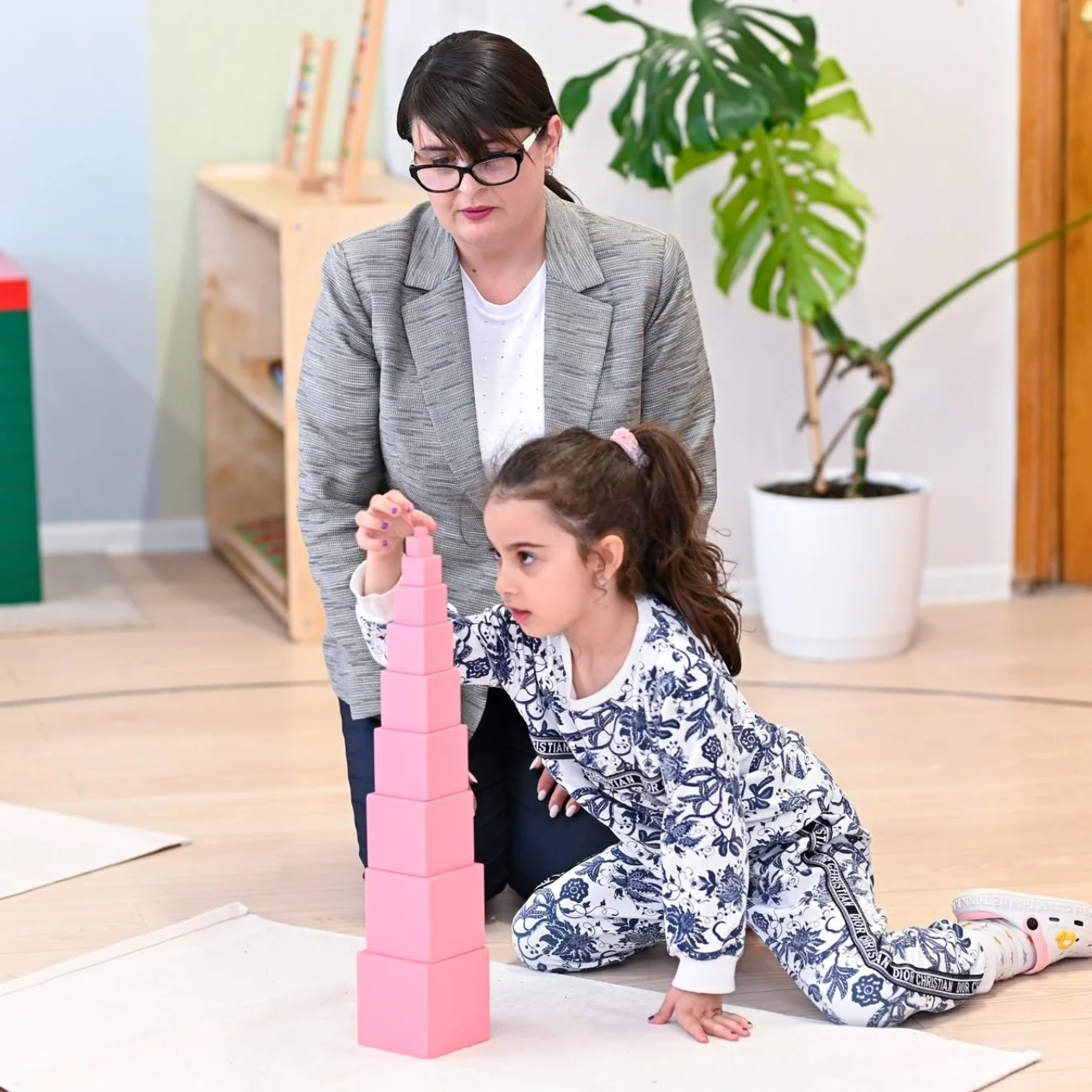
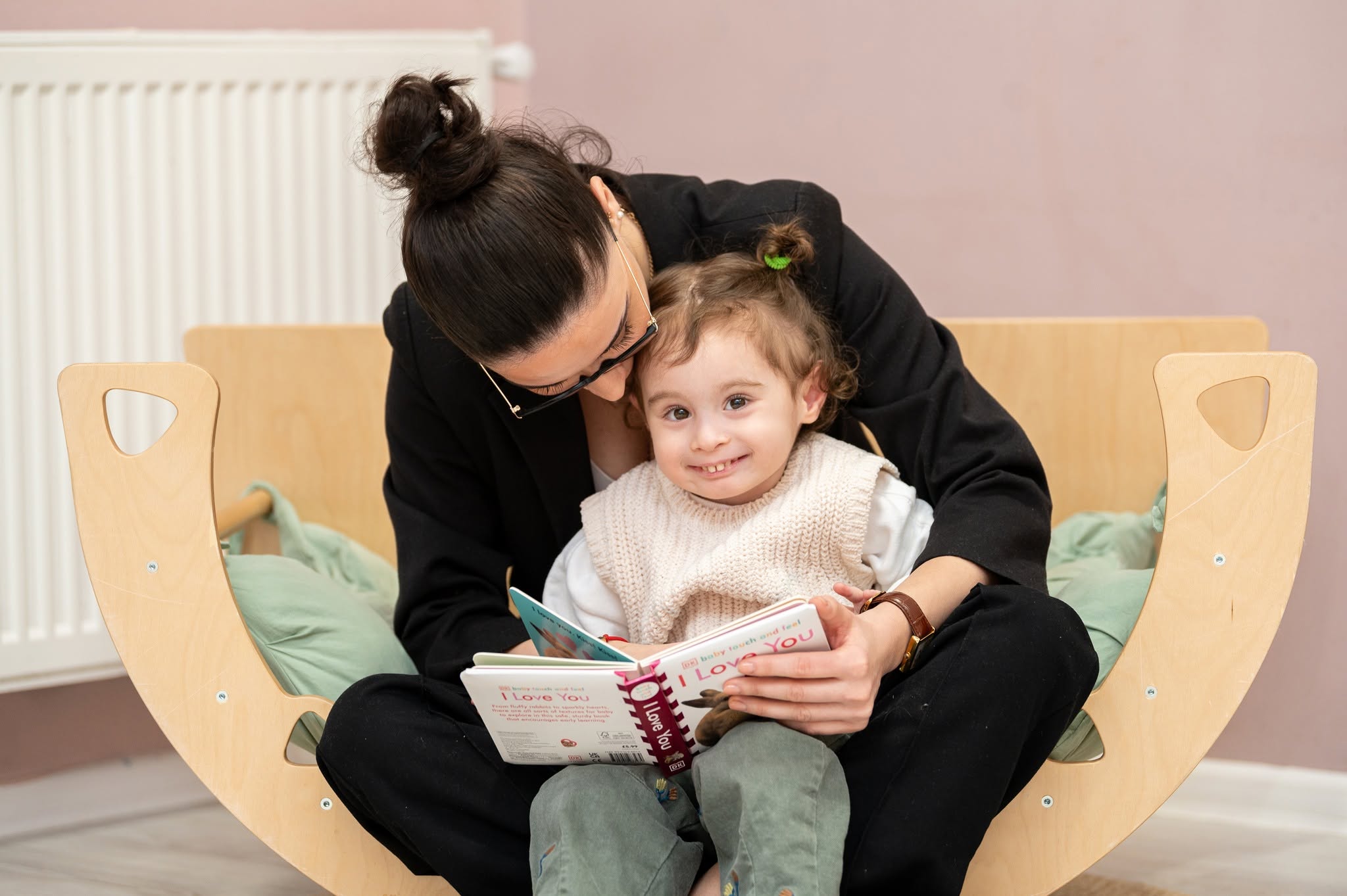
At the center of our educational environment is always the child — an independent, unique individual for whom we create conditions to unlock their own potential. In a prepared Montessori environment, children learn to think independently, make conscious choices, take responsibility for their actions, interact with others, and treat themselves and others with respect.

Montessori educational environment

Every graduation is a special story for us. Behind every child are years of daily effort, discoveries, small victories, and great achievements. And today, as we see our fourth generation off to school, we feel special pride, gratitude, and confidence that the foundation laid in the early years of life will become a solid basis for their future journey.

We believe in an education that does not merely transmit knowledge, but forms an independent, conscious, and responsible individual capable of creating their own future.

Dear graduates, may your school journey be filled with discoveries, inspiration, and new opportunities. We believe that you will make us proud time and time again!

Montessori Kindergarten — the place where the foundation of the future is formed.
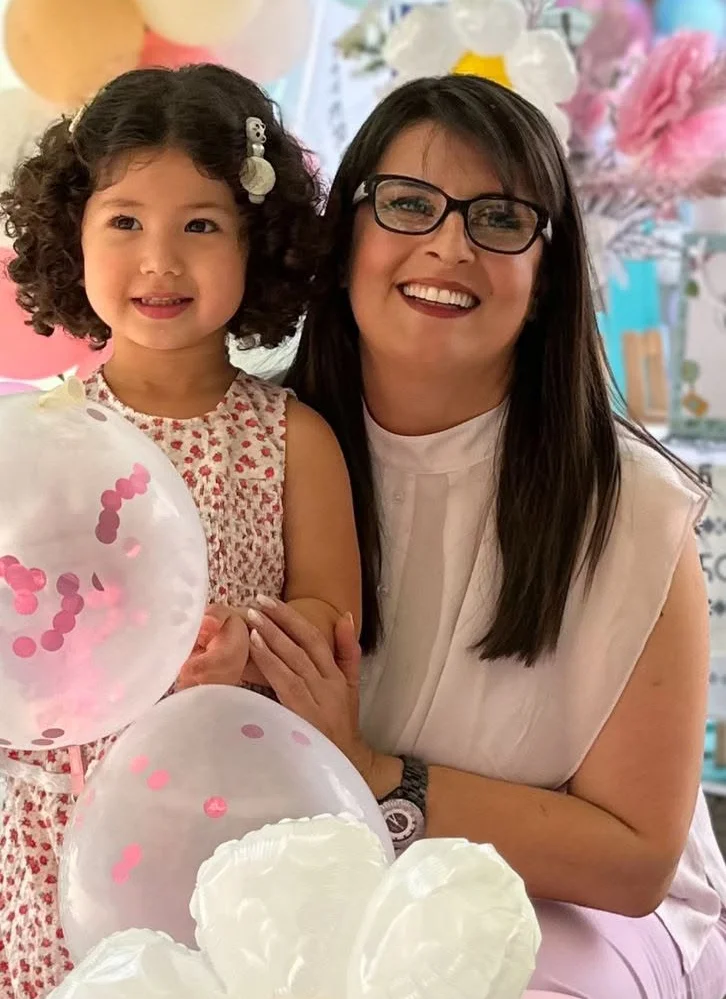
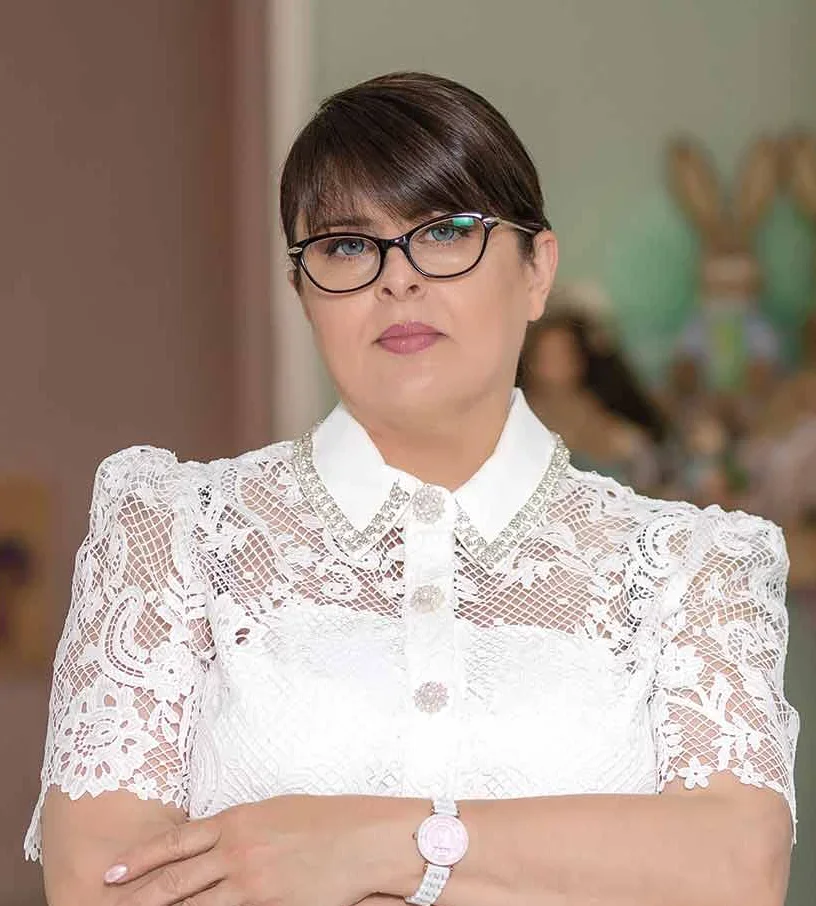
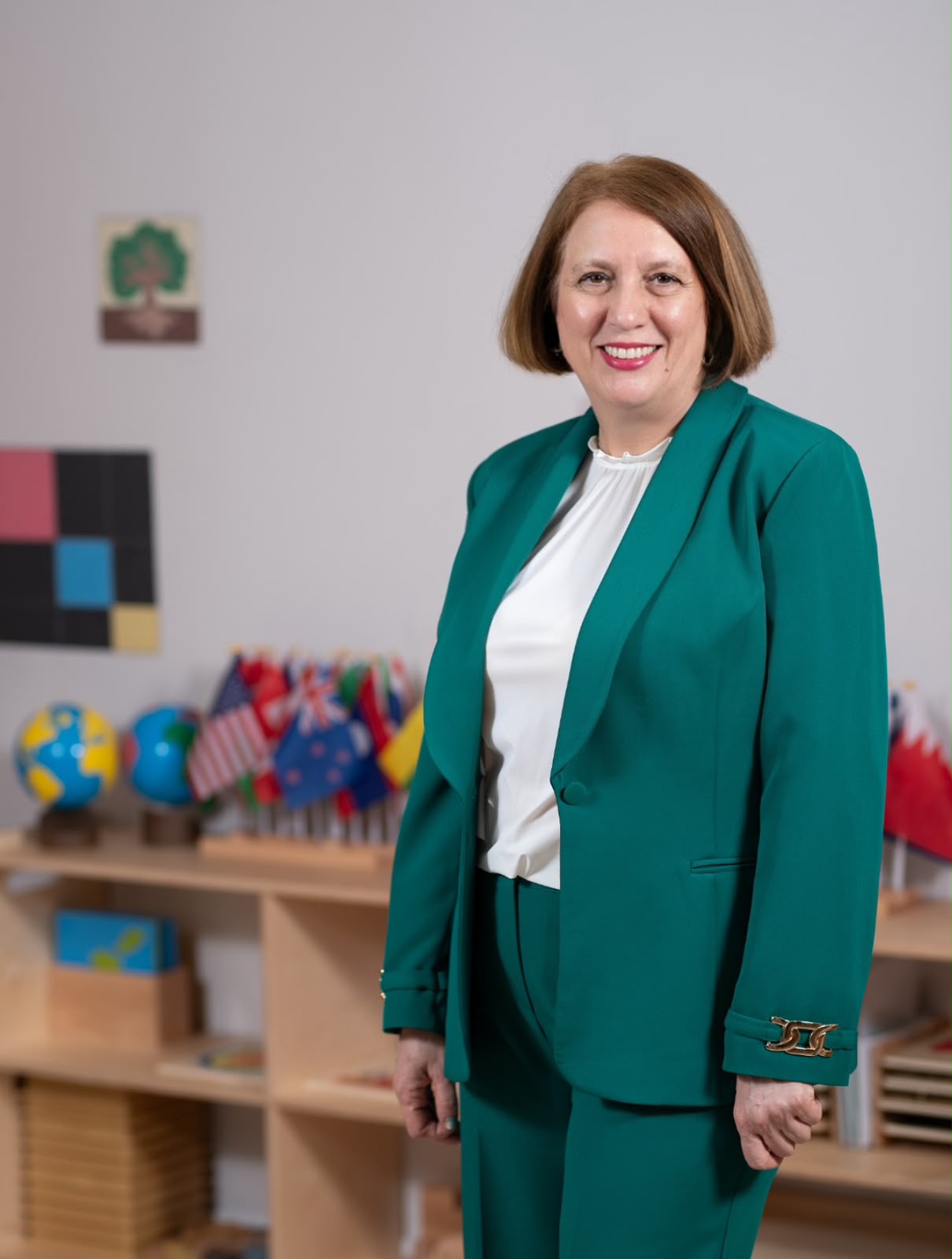
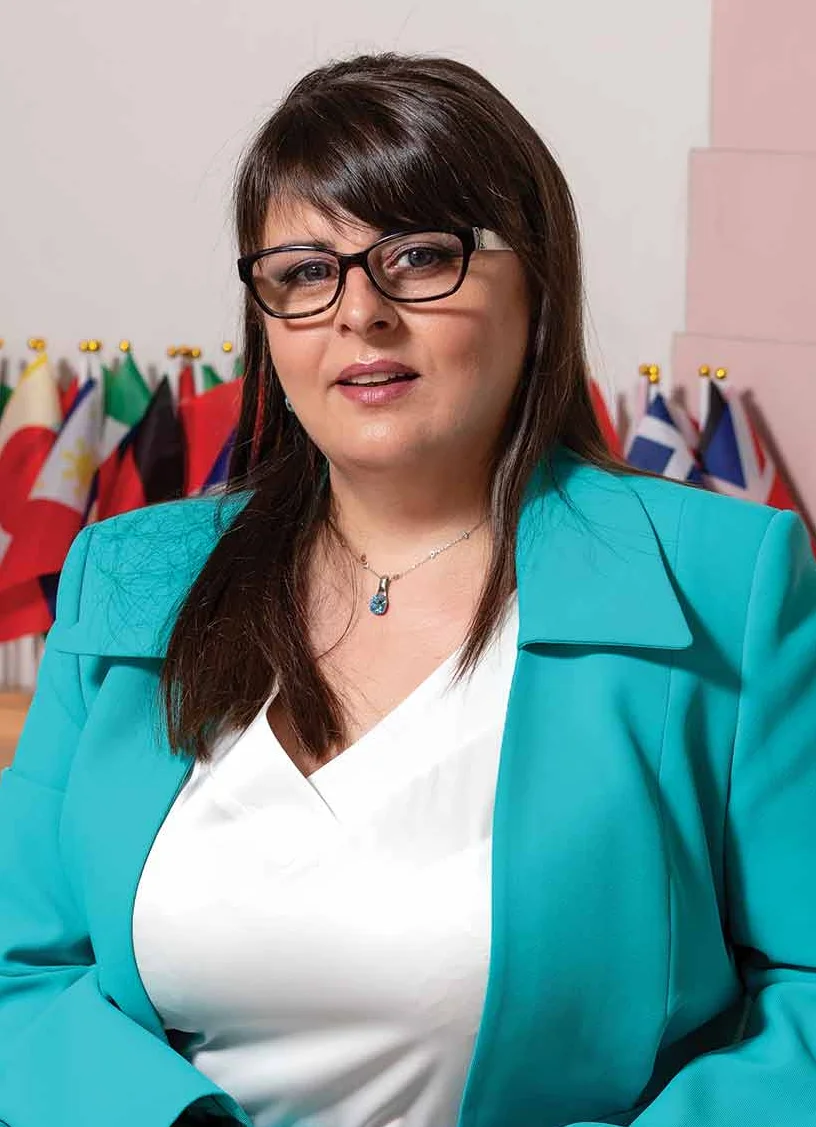
Director Inga Pataraya

Inga Pataraya — Director

The kindergarten is led by Inga Pataraya, the only officially certified AMI® Montessori teacher in Georgia, co-founder and director of Association Montessori Georgia.

One of the leaders in popularizing Montessori education in Georgia, holder of an AMI diploma (Munich, Montessori Higher Academy). She is actively involved in early childhood education issues and has authored articles examining the role of preschool education in achieving sustainable development goals. Her professional background also includes executive positions in various organizations.

“

The Montessori approach is based on the belief that a child is prepared from birth to be the architect of their own self. Our role is simply to create an appropriate environment for them, offering freedom, structure, and real-life experience. A Montessori kindergarten relies not on a system where the teacher is the central figure, but on an environment where the child becomes an independent and free creator. It was a revelation for me: a child is not an empty vessel to be filled with knowledge; they are inherently full of potential for self-development. In a Montessori kindergarten, children do not learn in the traditional way — they grow, develop, and build their knowledge independently.

Today, as a certified Montessori specialist and director of my kindergarten, I feel a responsibility not only to the children who grow in our space, but also to the entire society that will nurture the future generation. The Montessori system gave me tools, but more importantly, it gave me a vision — a vision that education is not merely the transmission of knowledge, but the cultivation of humanity, says Ms. Inga Pataraya.

Our Staff

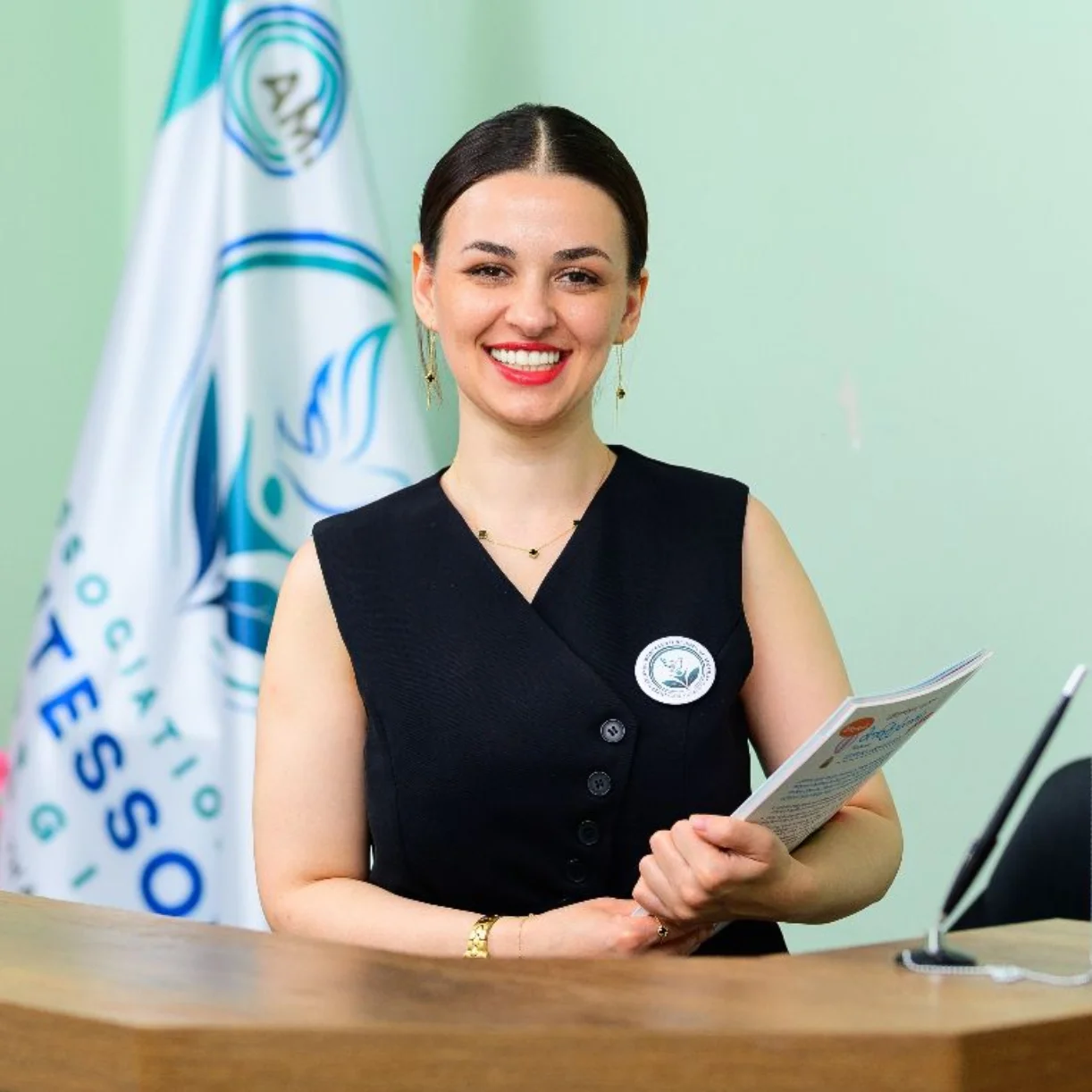
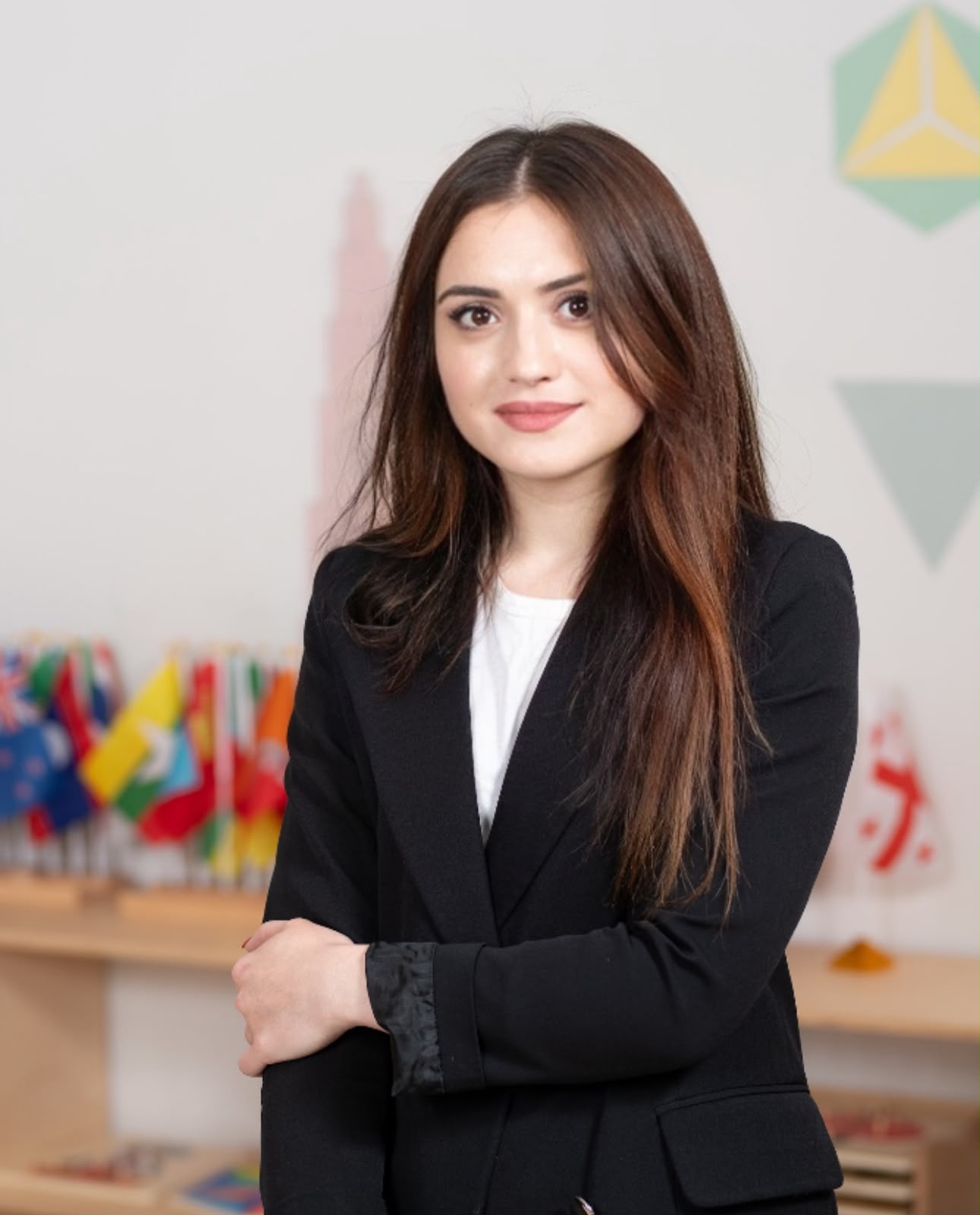
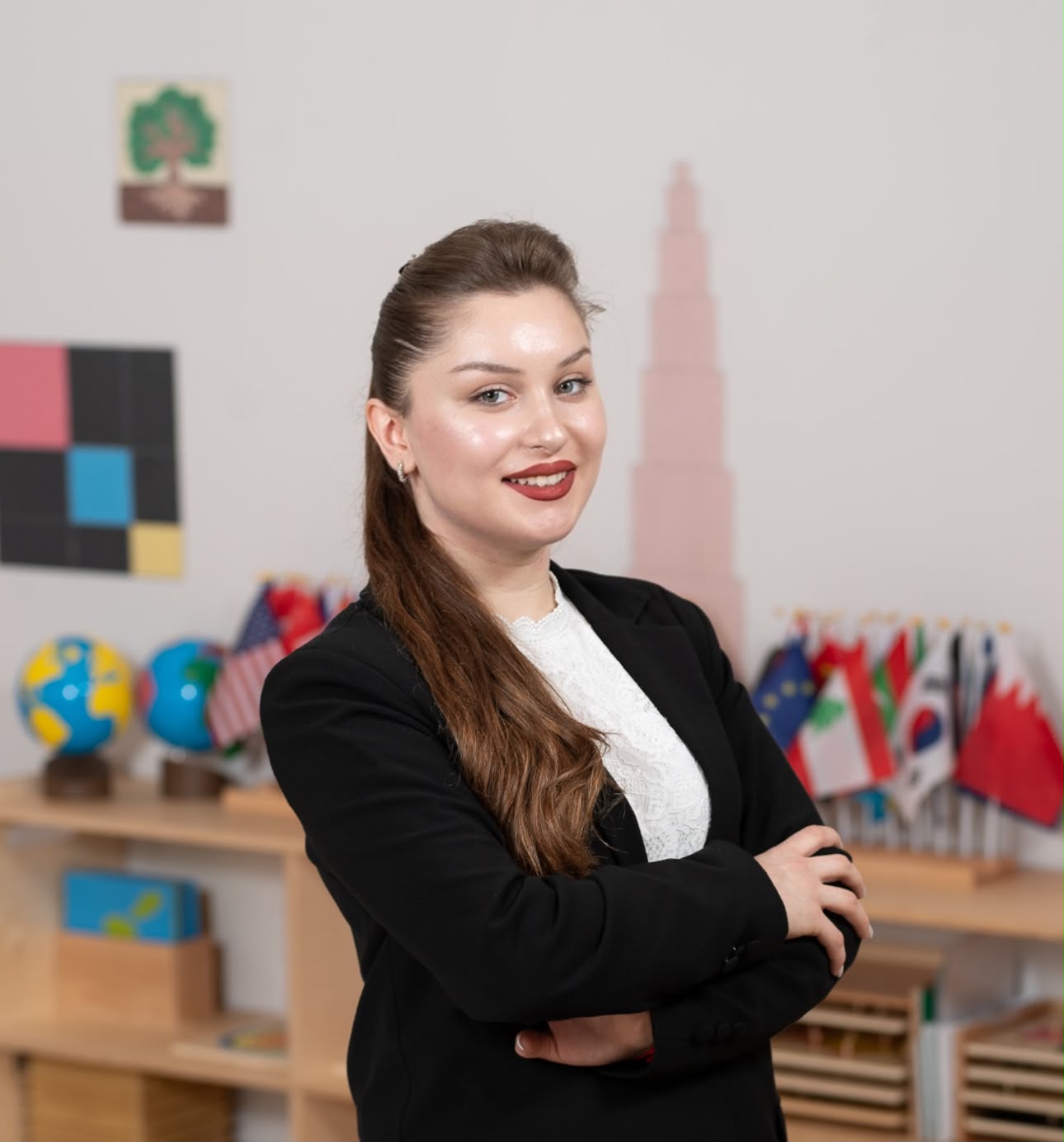
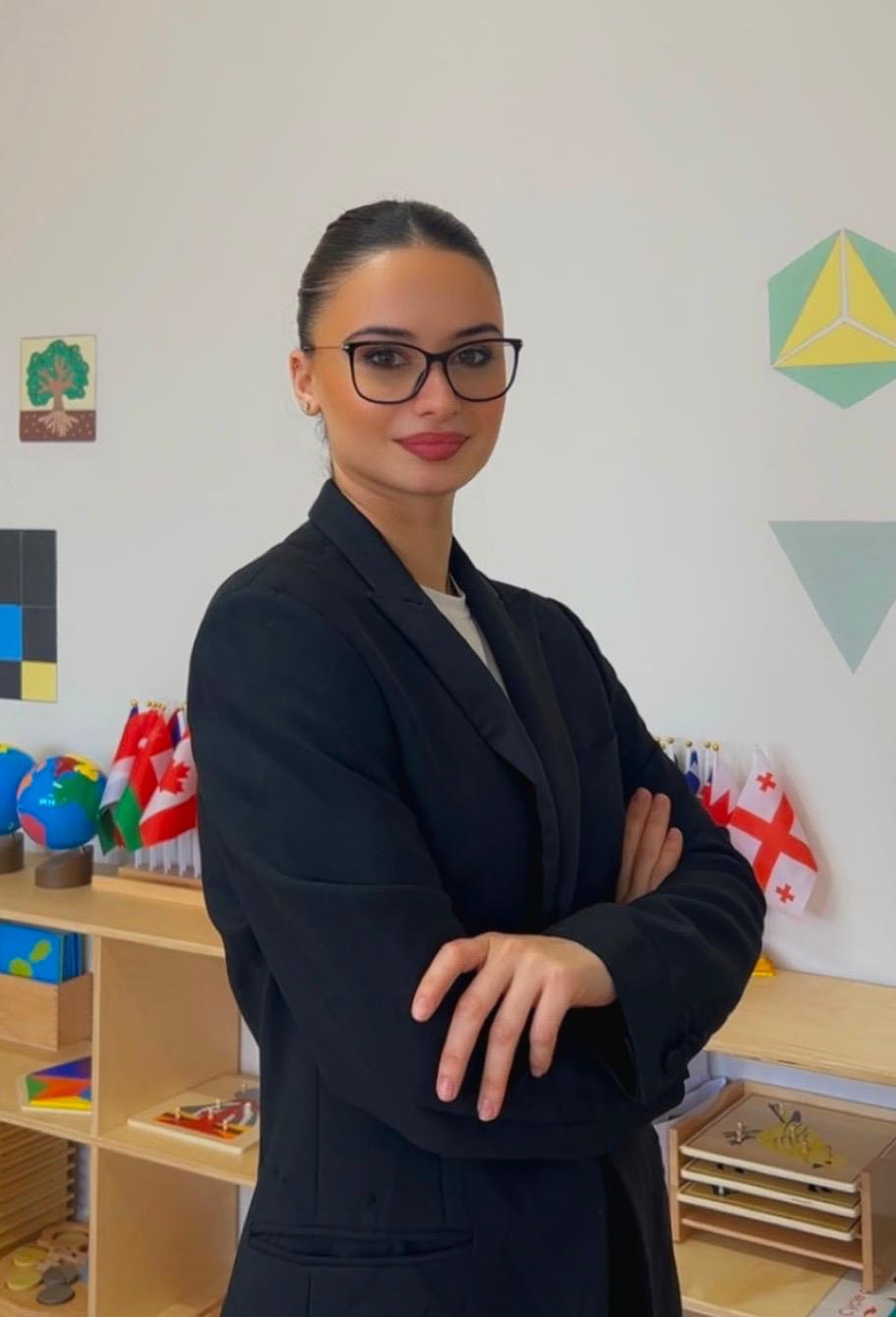
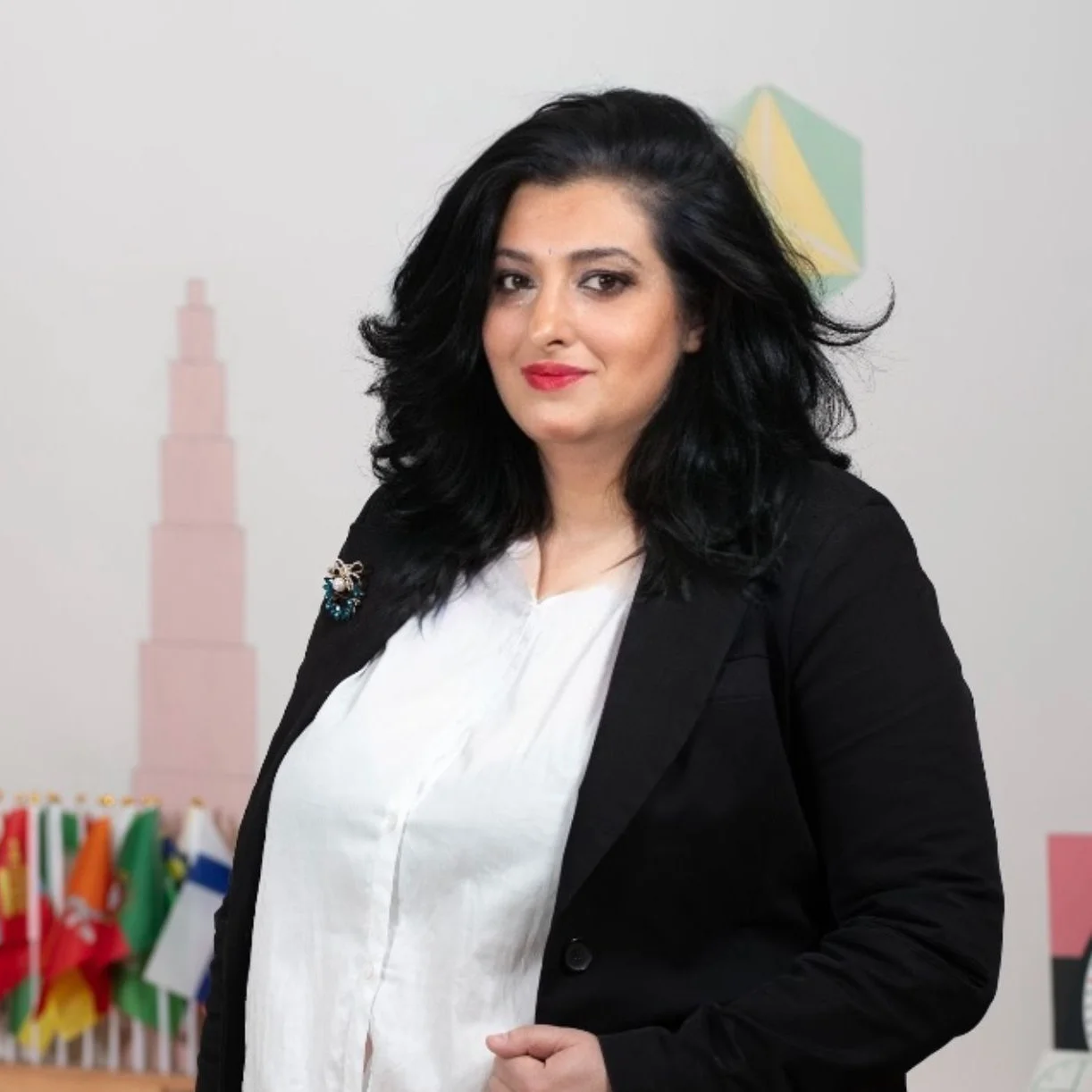
Inga Pataraya Inga Pataraya Director, Teacher
Khatia Sibashvili Khatia Sibashvili Head of Administration
Aida Orudzhieva Aida Orudzhieva Teacher
Irina Guledan Irina Guledan Teacher
Mariam Bliadze Mariam Bliadze Teacher
Mariam Gveleziani Mariam Gveleziani Teacher
Nana Zurabishvili Nana Zurabishvili Teacher
Tamta Gaprindashvili Tamta Gaprindashvili Teacher
Tekla Kashia Tekla Kashia Teacher
Khatia Sibashvili Khatia Sibashvili Head of Administration

ABOUT MONTESSORI

The Montessori method is a child-centered educational approach created in the early 20th century by Italian physician and educator Maria Montessori. The method is based on years of scientific observation and practical research and today is used in thousands of educational institutions worldwide.

The core idea of Montessori pedagogy is that every child is naturally motivated to learn, explore their environment, and develop their own abilities. A properly prepared environment, age-appropriate materials, and respect for the child's individual development create conditions where learning is built on interest, practical experience, and self-discovery.

Core Principles of Montessori Pedagogy

The Montessori approach is based on several key principles:

Respect for the child — every child is unique and develops at their own pace.

Fostering independence — the child chooses their own activity, makes decisions, and learns responsibility.

Prepared environment — the learning space is organized so that the child can act independently and develop their abilities.

Learning through practical experience — specially designed Montessori materials help the child gain knowledge through their own actions and discoveries.

Mixed-age groups — children of different ages work together, interact, and naturally learn from one another.

Teacher as a guide — the teacher's main role is to observe the child, recognize their needs, and support them in the development process, rather than simply transmitting information.

What does the Montessori environment include?

What does the Montessori environment include?

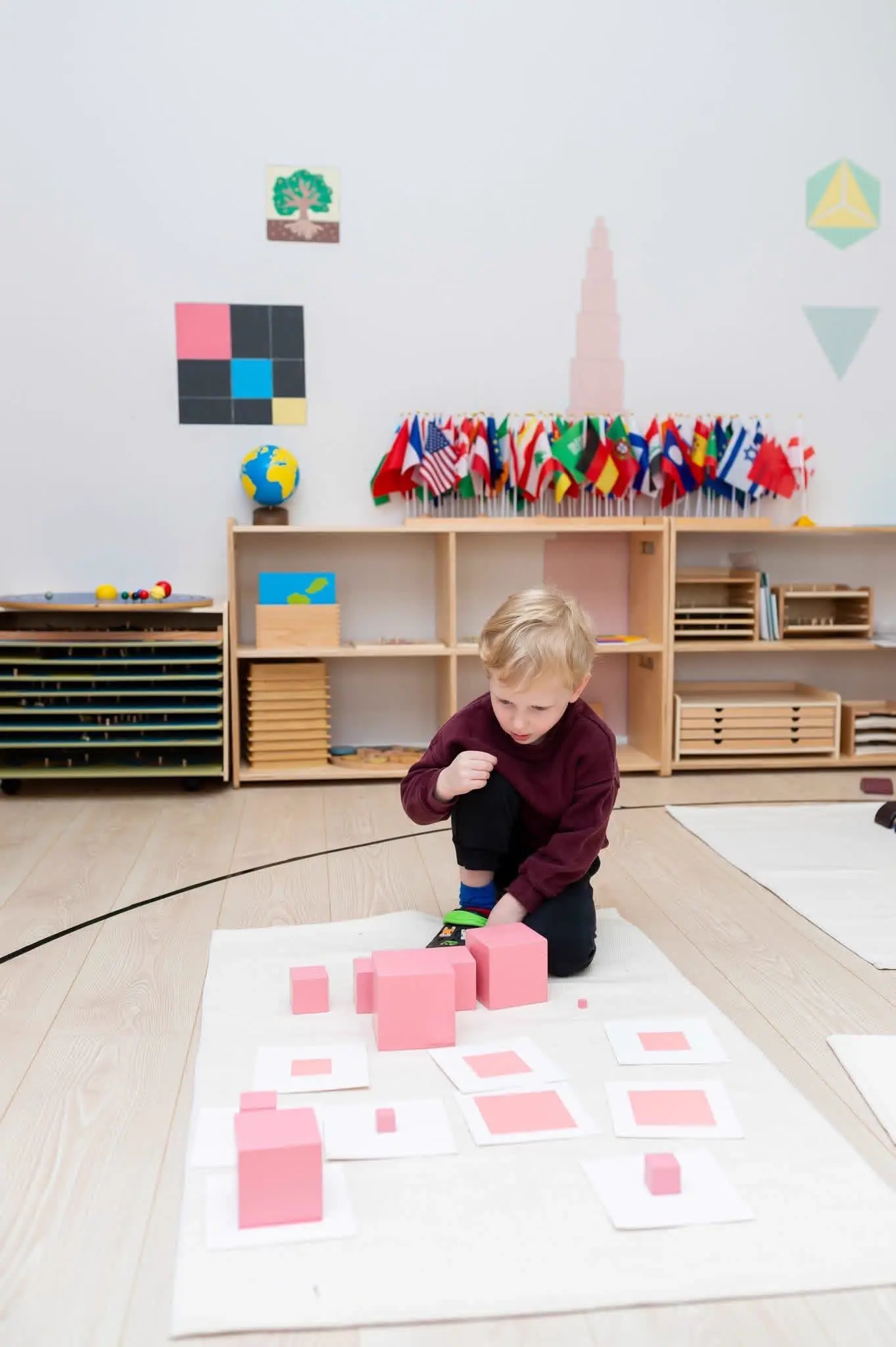
In a Montessori classroom, every educational material has a specific purpose. The environment is arranged so that the child can independently choose material, work with it, and return it to its place. This fosters responsibility, organization, and self-discipline.

Learning materials cover areas such as:

  • Practical life skills
  • Sensorial development
  • Language and literacy
  • Mathematics
  • Culture, geography, history, biology, and science
  • Art and music
Why is the Montessori method relevant today?

Why is the Montessori method relevant today?

In today's rapidly changing world, where knowledge and professional requirements evolve quickly, skills such as independent thinking, problem-solving, creativity, collaboration, and responsibility are of particular importance.

Montessori pedagogy fosters precisely these skills. The goal of the method is not only the transmission of academic knowledge, but also nurturing an individual capable of lifelong learning, fulfilling their potential, and becoming a responsible member of society.

The Montessori method worldwide

The Montessori method worldwide

Today, Montessori pedagogy is implemented in many countries around the world and is used in both preschool and school education. The development of the method and compliance with international standards is coordinated by the Association Montessori Internationale (AMI), an international organization founded by Maria Montessori in 1929.

To this day, AMI ensures the protection of the philosophy, standards, and quality of Montessori pedagogy, trains teachers, and promotes the development of the method across the globe.

The Goal of Montessori

The Goal of Montessori

According to Maria Montessori's vision, the main goal of education is not simply transmitting knowledge. Its goal is to create an environment where the child can fully develop their personality, cultivate independence, responsibility, compassion, and skills for peaceful coexistence.

Montessori pedagogy continues to rely on these very ideas today — respect for the child, freedom coupled with responsibility, and an education that preserves a person's lifelong desire to learn.

Maria Montessori

Maria Montessori

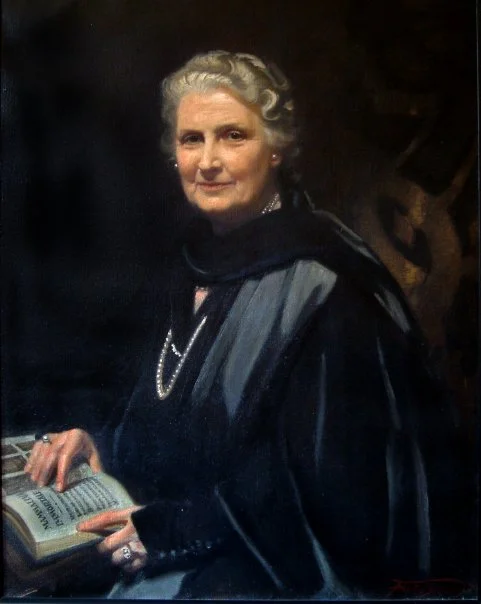
Maria Montessori (1870–1952) was an Italian physician, scientist, educator, and one of the most influential educational reformers of the 20th century. The Montessori pedagogy named after her is applied today in thousands of schools and kindergartens around the world and is recognized as one of the most respected educational approaches based on respect for child development, independence, and practical experience.

Maria Montessori was born on August 31, 1870, in the Italian town of Chiaravalle. At a time when higher education for women was limited, she managed to become one of the first female physicians in Italy. It was during her work as a doctor that she became interested in child development, education, and learning.

Over many years, Montessori observed children in various settings. Based on these observations, she developed an educational method that gives children the opportunity to develop and learn naturally. Her approach is rooted in the belief that every child has their own pace of development and inner motivation, and the main task of an adult is to create an environment that supports this process.

In 1907, Maria Montessori opened the first Casa dei Bambini (Children's House) in Rome, where her educational method was implemented for the first time. The results attracted international attention, and Montessori's ideas soon spread across Europe, the Americas, and other parts of the world.

In 1929, Maria Montessori, together with her son Mario Montessori, founded the Association Montessori Internationale (AMI) — an international organization that continues to protect, develop, and promote the principles of Montessori pedagogy worldwide.

MONTESSORI IN GEORGIA

History of Montessori in Georgia

History

The history of Montessori pedagogy in Georgia spans nearly a century.

In the early 1920s, during the period of the Democratic Republic of Georgia, the Ministry of Education considered sharing European experience an important priority for the development of the country's educational system. For this purpose, Maria Montessori's pupil, Lola Kondulmani, was invited to Tbilisi to conduct a training course in Montessori pedagogy.

The course was attended by 36 teachers from various regions of Georgia. Participants became acquainted with the principles and practical methods of Montessori pedagogy, and after completing the course, the Ministry of Education purchased Montessori educational materials and equipment directly from Italy. In several schools in Georgia, the learning environment was also arranged according to Montessori principles.

However, after the establishment of Soviet rule, Montessori pedagogy was declared a bourgeois method, and its development in Georgia ceased.
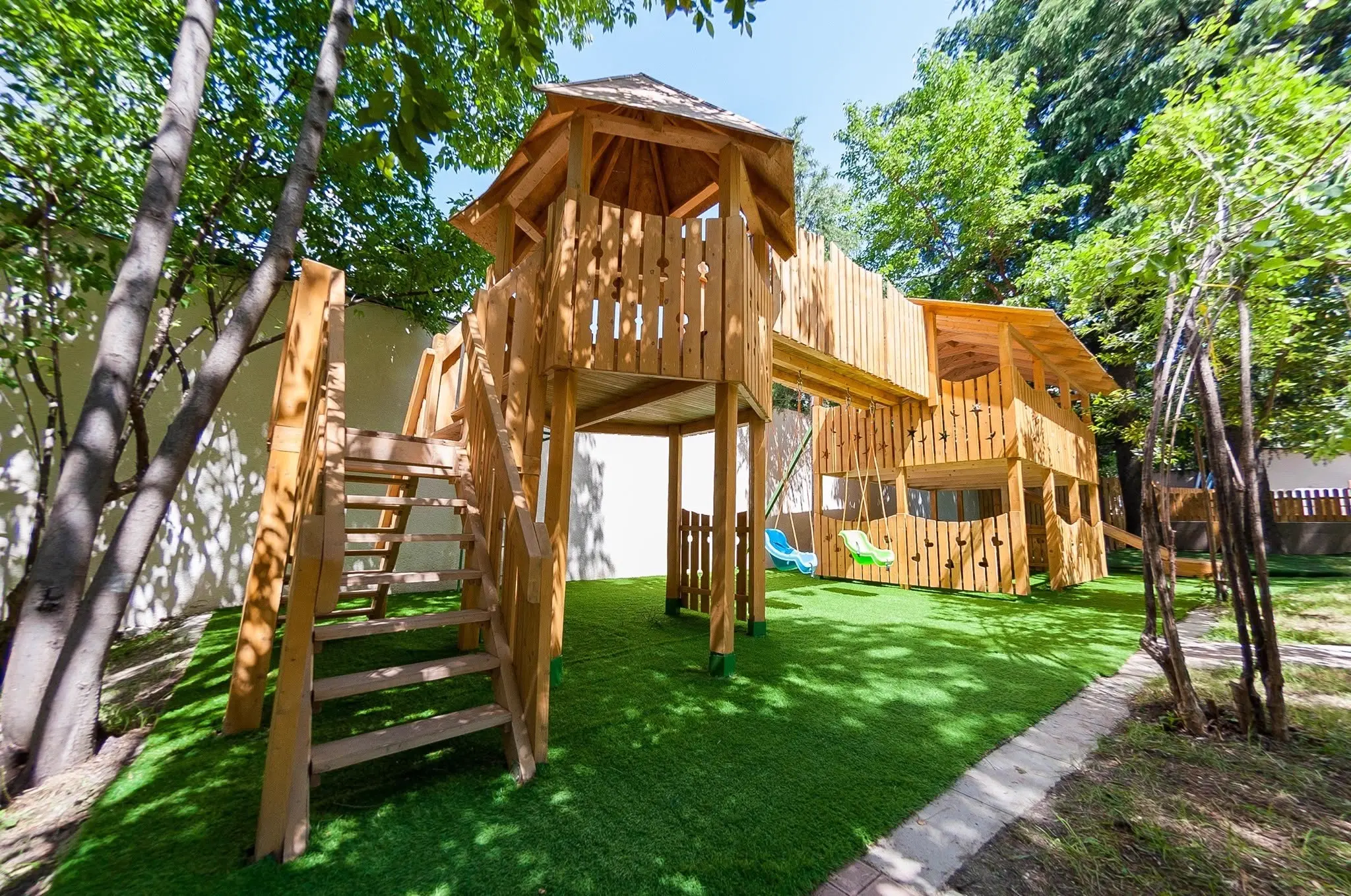
A New Stage

A new stage of Montessori development in Georgia

Nearly a century later, the development of Montessori pedagogy in Georgia resumed from a new stage.

The goal of the Montessori Association Georgia is to develop scientific Montessori pedagogy in the country, implement international standards, and promote quality education.

An important step on this path was the founding of the International Montessori School in 2021, which gave children the opportunity to develop in an educational environment based on Montessori principles. This became one of the significant milestones in the systemic development of Montessori education in Georgia.

Another key achievement of the Association is obtaining the status of official representative of the Association Montessori Internationale (AMI) in Georgia. This partnership allows the country to implement international Montessori standards even more broadly, develop professional education, and strengthen international cooperation.

Association Montessori Georgia

The goal of the Montessori Association Georgia is to establish a sustainable Montessori educational ecosystem in the country that will foster independence, responsibility, emotional well-being, and values-oriented growth in children.

To realize this vision, the Association works in the following directions:

  • Creating the first fully AMI-authorized Montessori kindergarten in Georgia;
  • Establishing a Professional Training and Development Center for Montessori educators;
  • Developing educational programs and resources for parents;
  • Integrating the Montessori approach into public spaces — parks, libraries, and children's areas;
  • Conducting research in Montessori pedagogy, creating Georgian resources and professional literature.

Montessori Association Georgia Today

Montessori Association Georgia Today

Today, the Association is actively working towards the development and popularization of Montessori pedagogy in Georgia.

The Association:

  • Develops Montessori educational programs in Tbilisi and Batumi
  • Serves as the official representative of Association Montessori Internationale (AMI) in Georgia
  • In collaboration with AMI, translates the works of Maria Montessori and other professional literature into Georgian
  • Has created the official Georgian page on the international AMI platform — https://aidtolife.org/ka
  • Participates in annual international AMI meetings and professional events
  • Ensures the continuous professional development of Montessori educators and the implementation of international standards

The Montessori Association Georgia continues to work towards making Montessori pedagogy an accessible, high-quality, and internationally standardized educational pathway in Georgia.

LEARNING METHOD

Montessori pedagogy views the child as an active participant in their own development. Therefore, learning in our environment is built not around uniform requirements for everyone, but around understanding the individual pace, needs, and capabilities of each child.
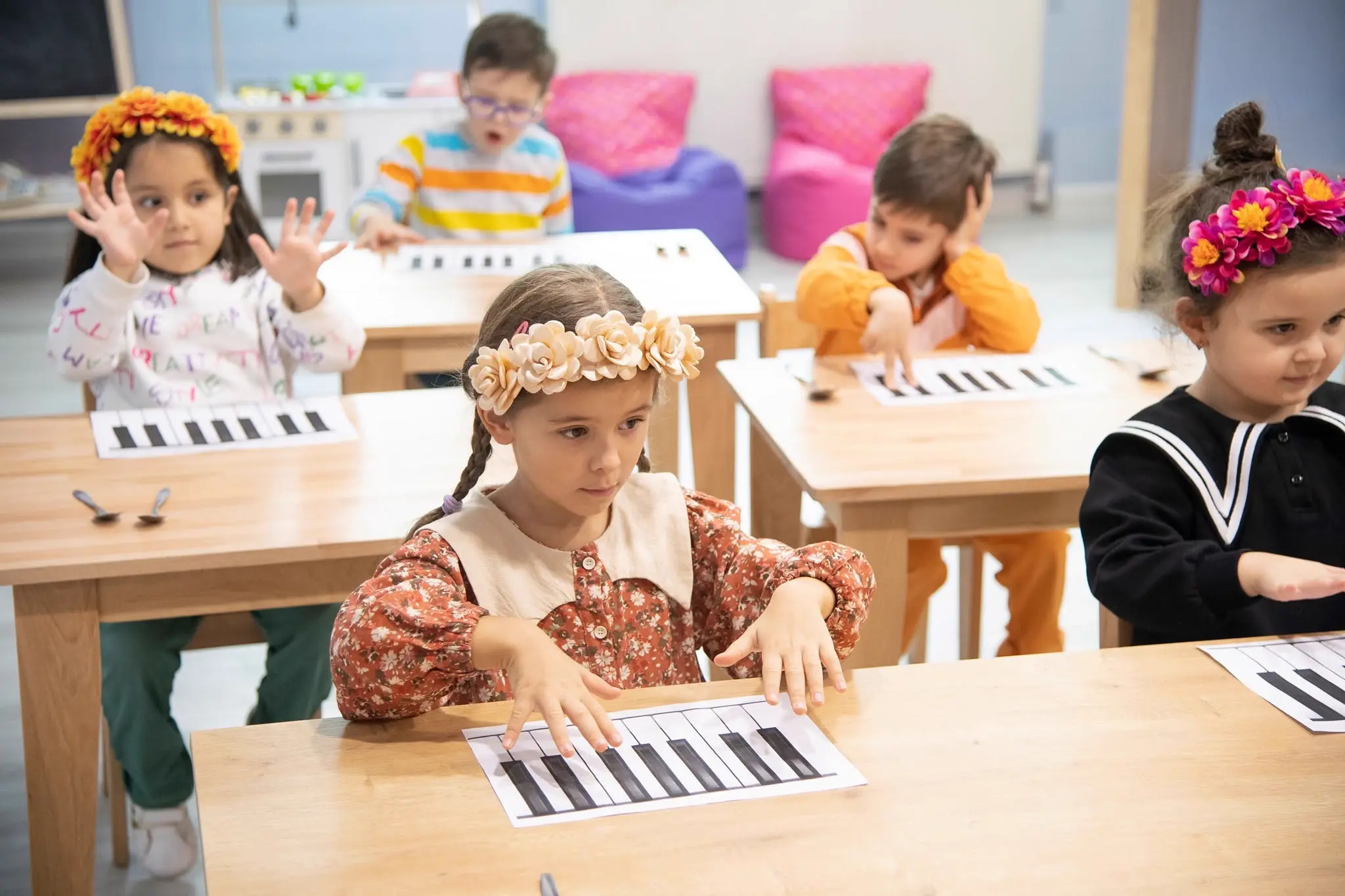
Prepared Environment

In Maria Montessori's pedagogy, the prepared environment is a carefully thought-out educational space created in accordance with the natural needs and patterns of child development.
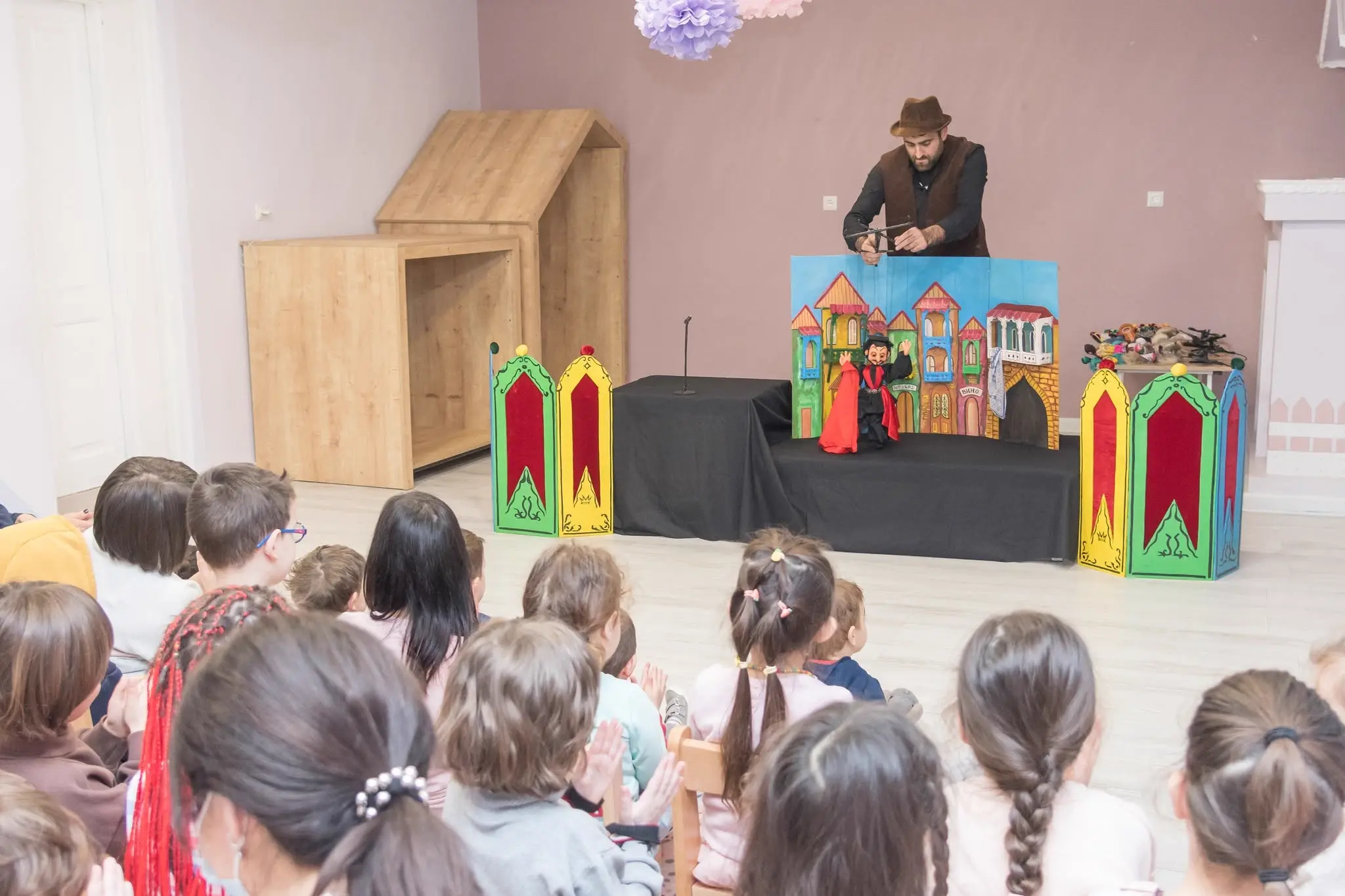
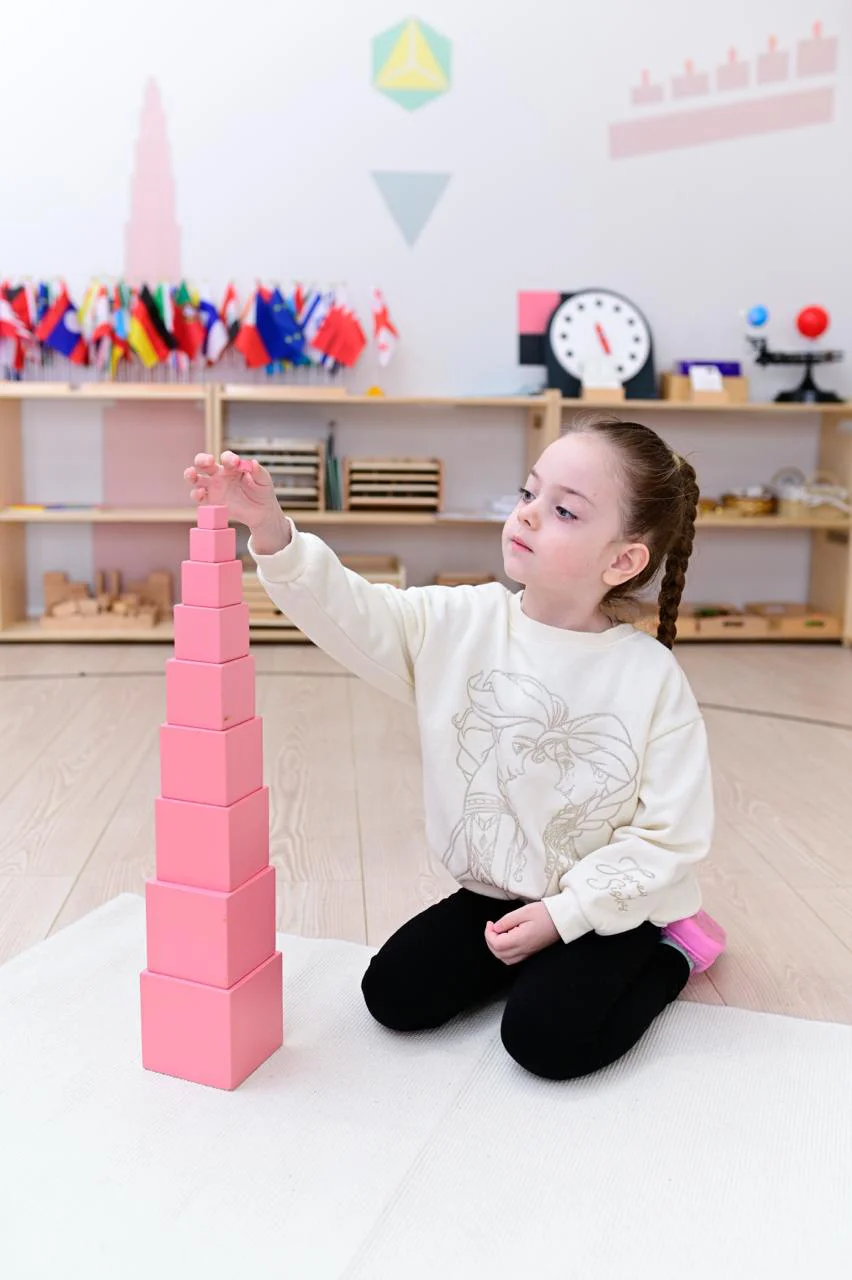
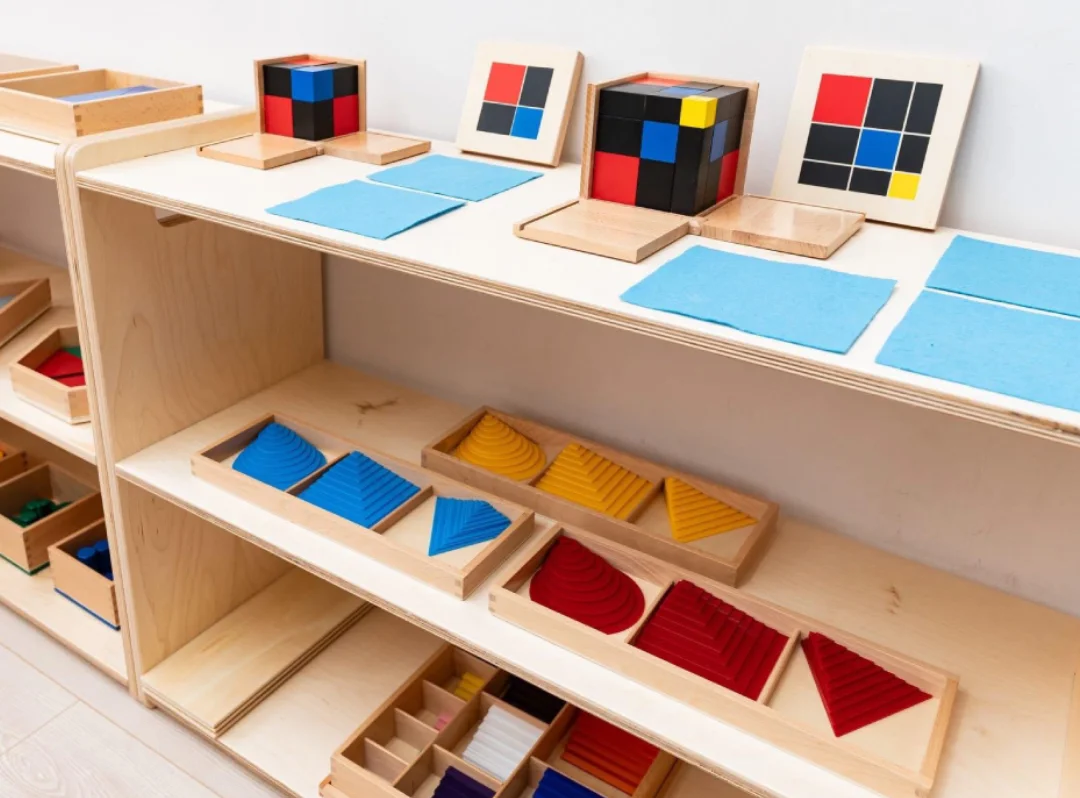
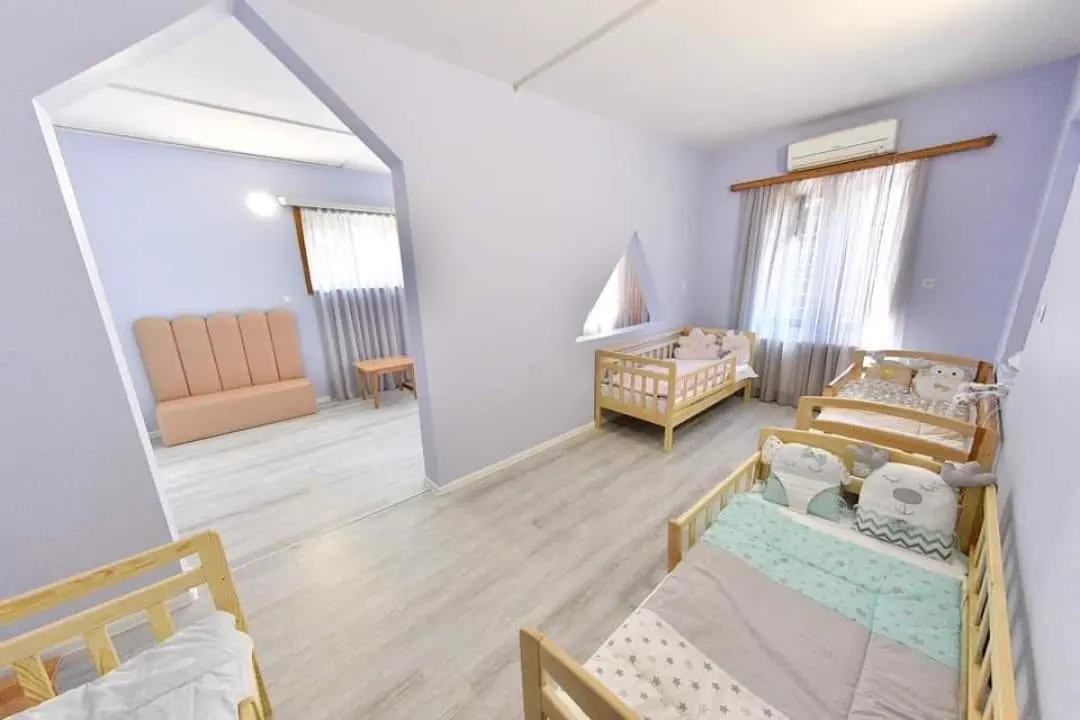
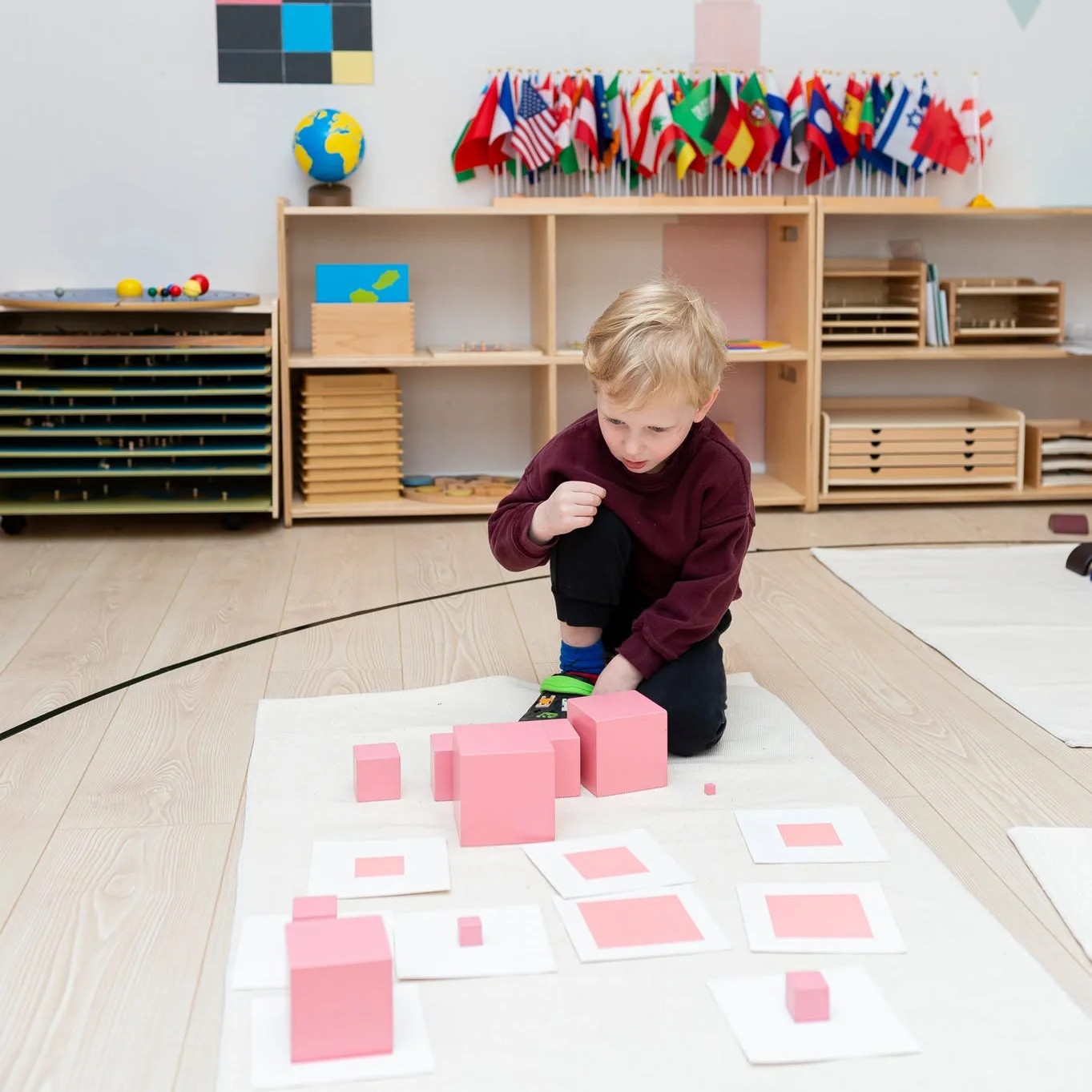
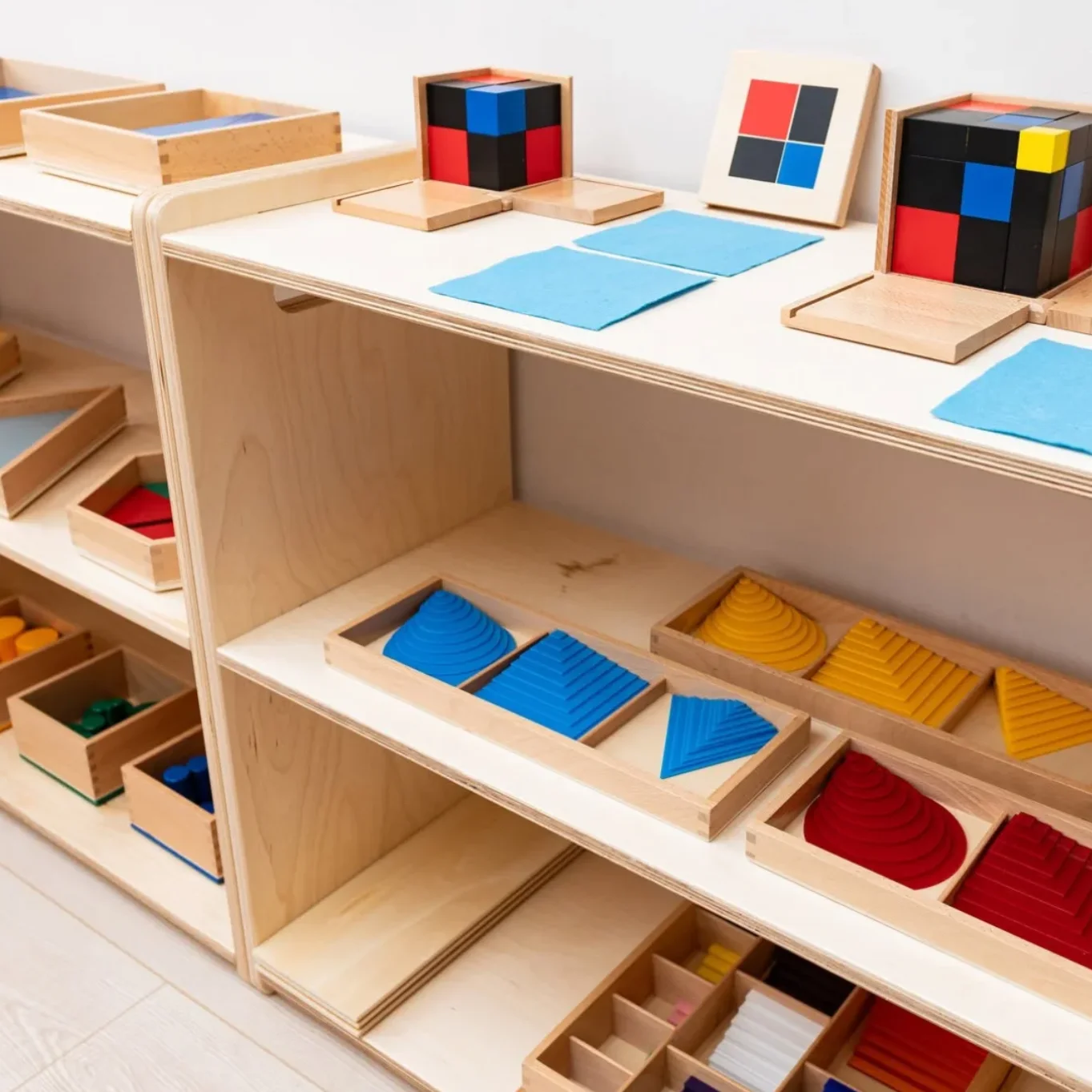
Every element of the environment has its purpose: the space is organized logically and sequentially, furniture corresponds to the age and height of the children, and Montessori materials are arranged so that the child can independently choose an activity, work with it, and return it to its place.

Of special importance is freedom within a structured order. The child receives the opportunity to independently choose work, repeat it as many times as necessary to master the skill, and gradually move from simple actions to more complex ones.

The prepared environment supports the development of independence, concentration, coordination of movement, decision-making ability, and self-discipline.

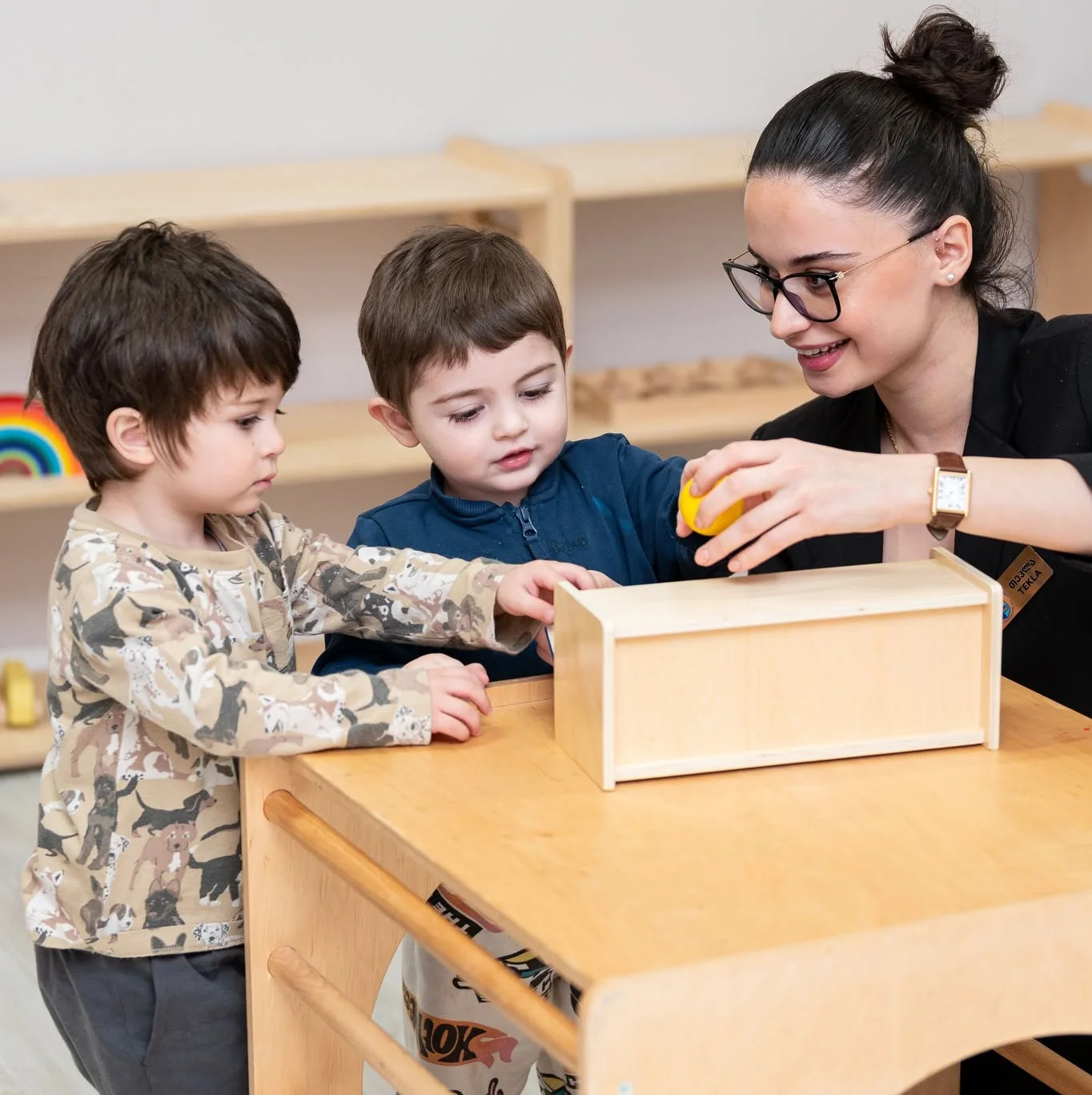
At the same time, the adult is not the center of activity, but an attentive observer and guide. Their task is to prepare the environment, present the material according to the child's individual needs, and provide space for independent work.

That is why in Montessori, a prepared environment is not just a room with Montessori materials. It is a holistic educational environment where space, materials, and the adult's guidance create conditions for independent and harmonious child development.

Zones of the Montessori Prepared Environment

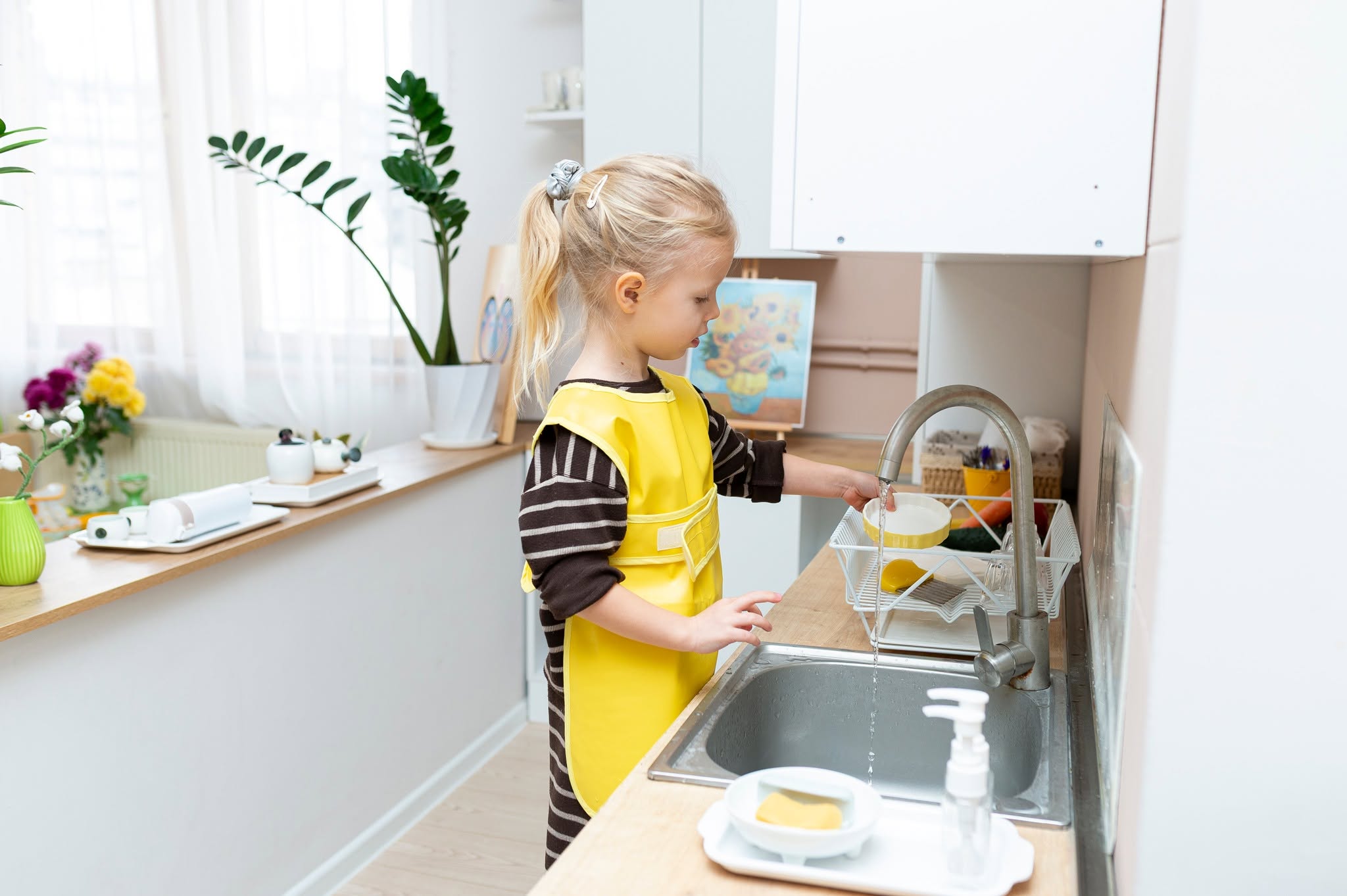
Practical Life Area

Practical Life Area (Practical Life)

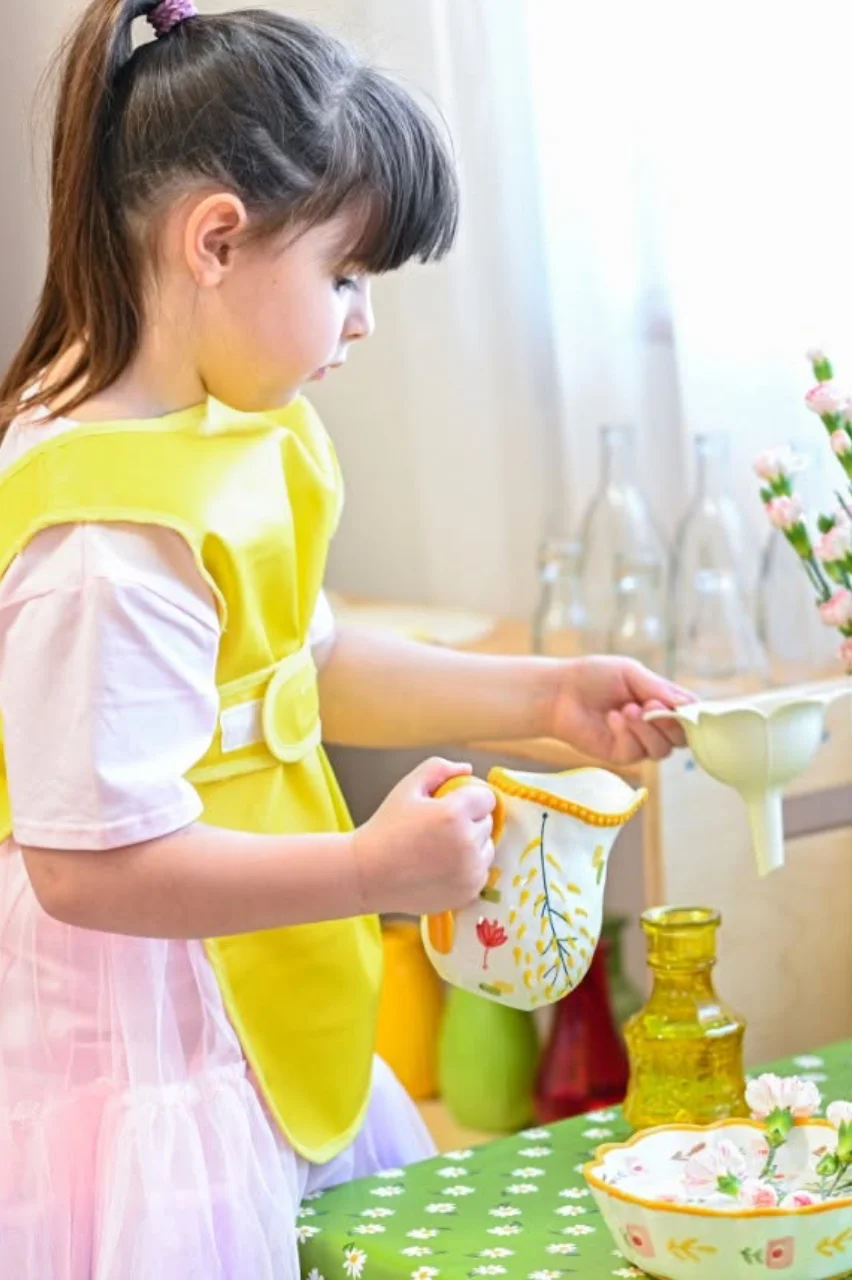
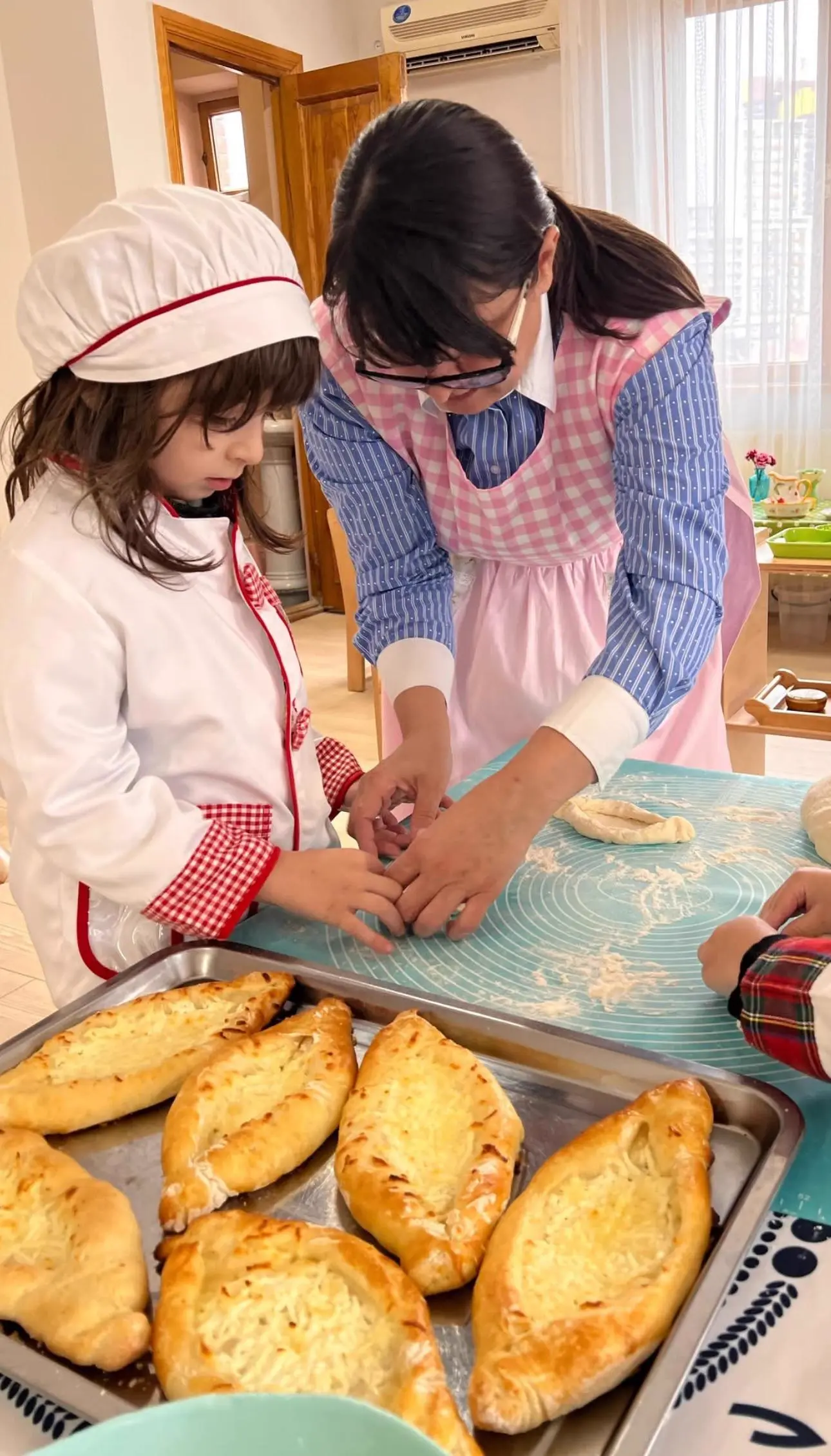
Exercises related to daily life: dressing and undressing, pouring, sifting, cutting, washing, cleaning, caring for the environment, developing coordination, and independence.

Sensorial Area

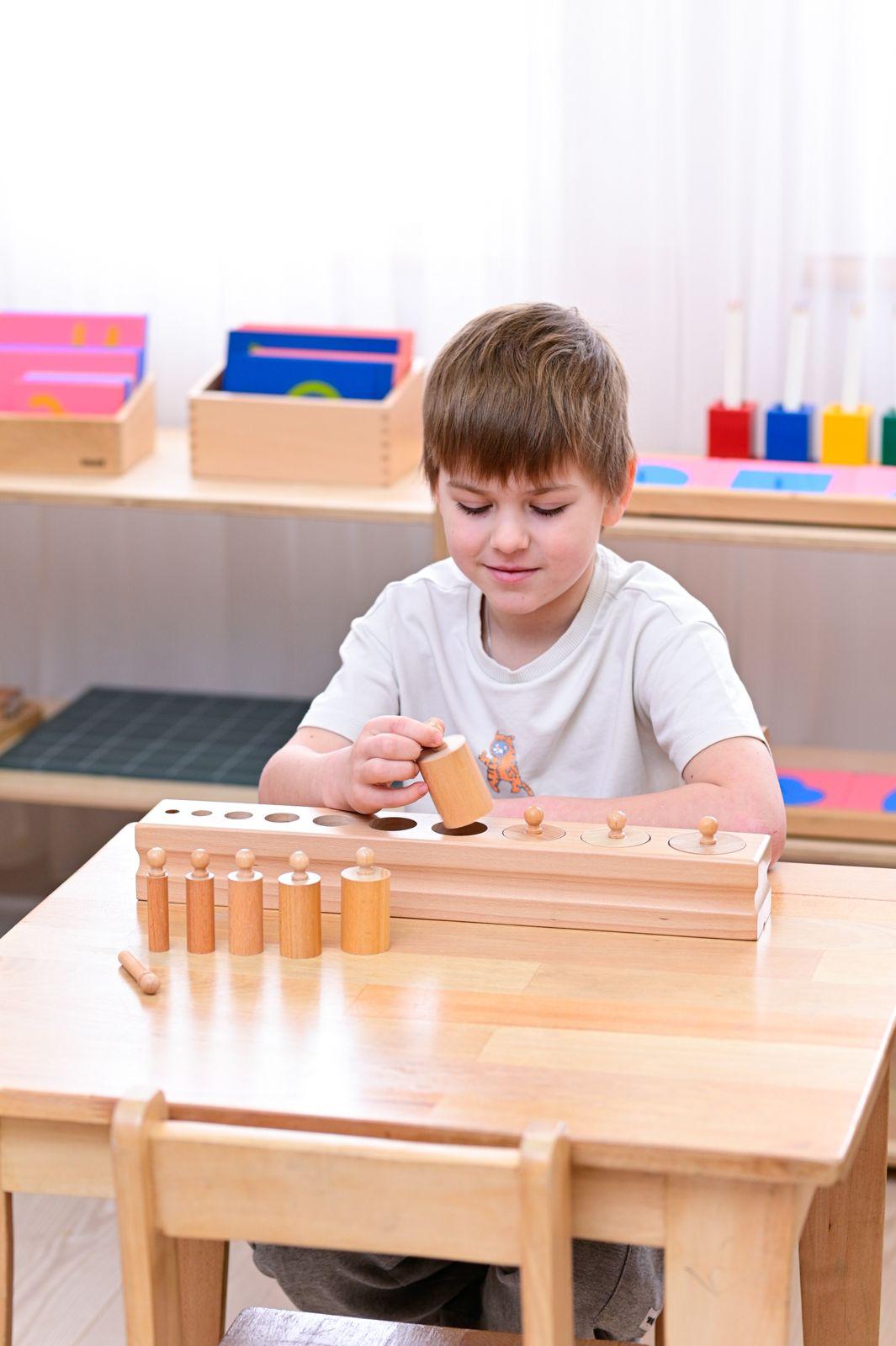
Sensorial Area (Sensorial)

Montessori materials that help the child explore and distinguish properties of the surrounding world: size, shape, color, texture, weight, length, height, sound, and other sensory characteristics.

Mathematics Area

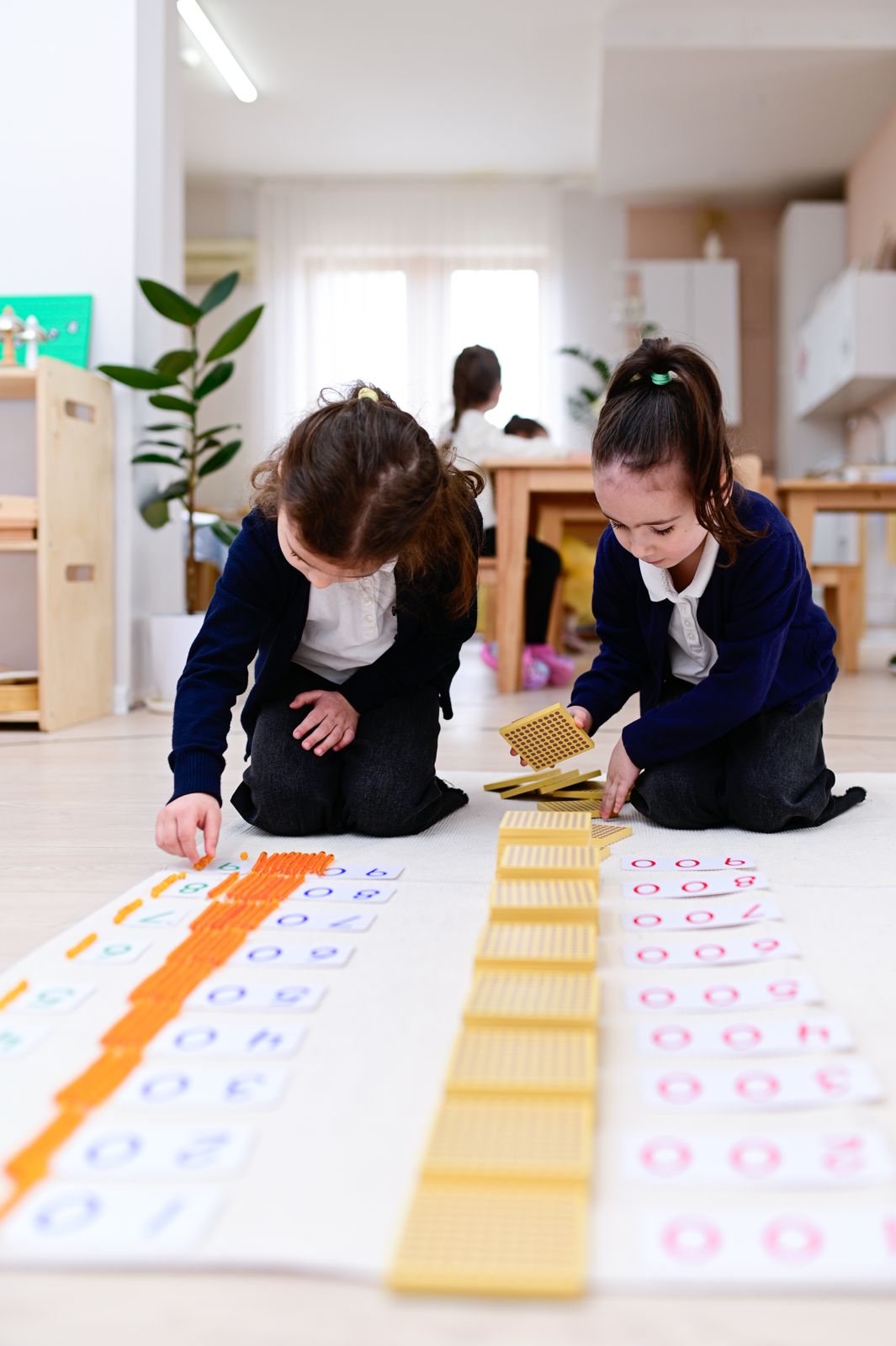
Mathematics Area (Mathematics)

Materials for introducing quantity and number, the decimal system, the relationship between quantity and symbol, mathematical operations, and logical thinking development.

Language Area

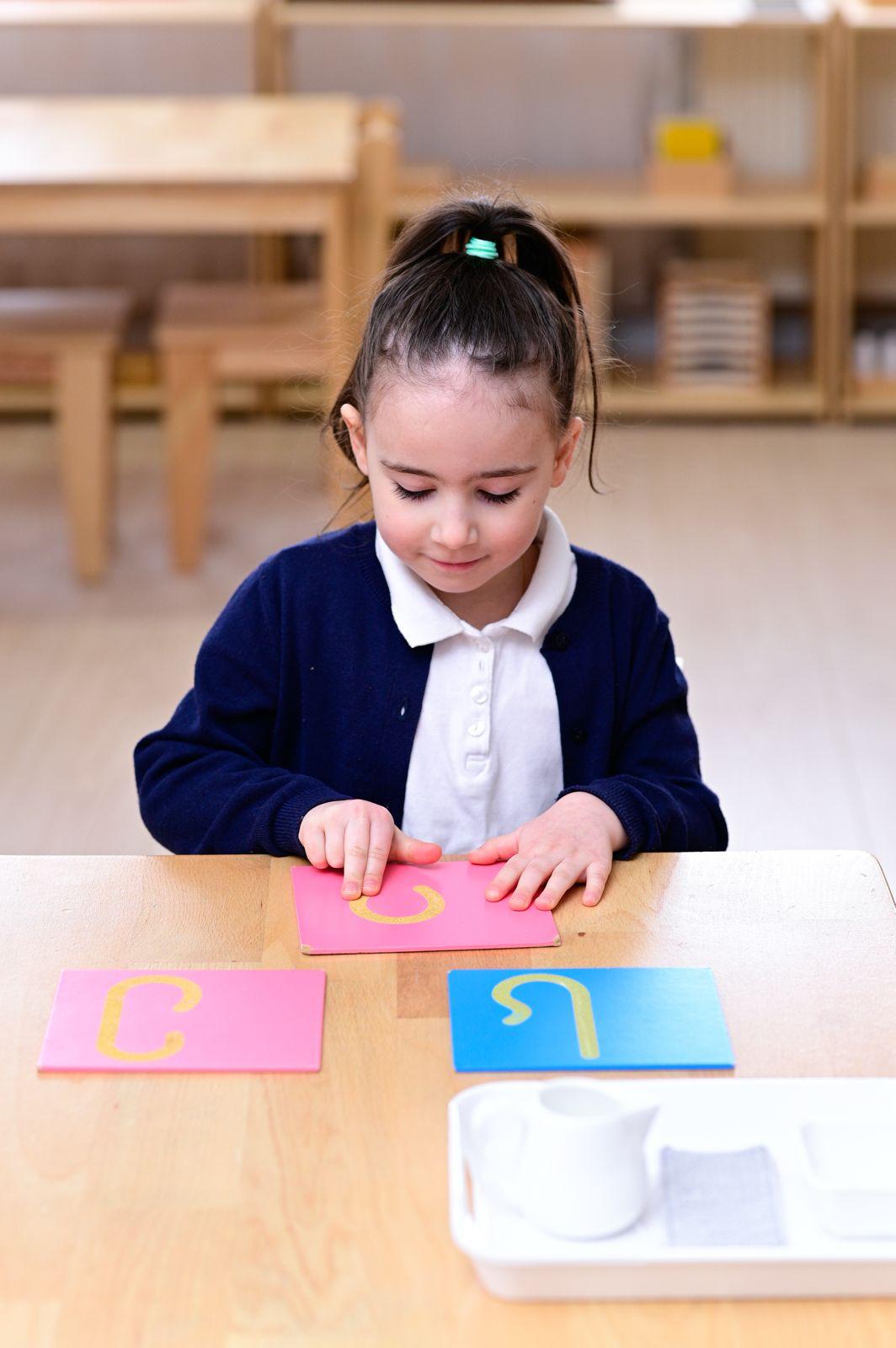
Language Development Area (Language)

Development of oral speech and vocabulary, introduction to sounds, preparation for writing, writing, reading, and sequential development of language skills.

Cultural Area

Cultural Area (Culture)

Geography, history, biology, natural sciences, art, music, and other fields that help the child discover the world around them and form a holistic worldview.

Creative and Art Space

Creative and Art Space

Drawing, painting, modeling, music, and other creative activities. In a classic 3–6 Montessori environment, art and creativity are usually viewed as part of the cultural domain and independent child activity, rather than a separate core domain.

How It Works in Practice

The prepared environment, the adult's guidance, and freedom of choice do not work in isolation, but as a unified system. Below are three principles that connect space, materials, and the child's daily activity into a cohesive educational process.

Montessori Materials

Montessori Materials

Working with Montessori materials, children gradually build skills in concentration, coordination, order, independence, and problem-solving. Through practical activity, they transition from concrete experience to understanding complex concepts — without undue haste and according to their stage of development.

Role of the Adult

Role of the Adult

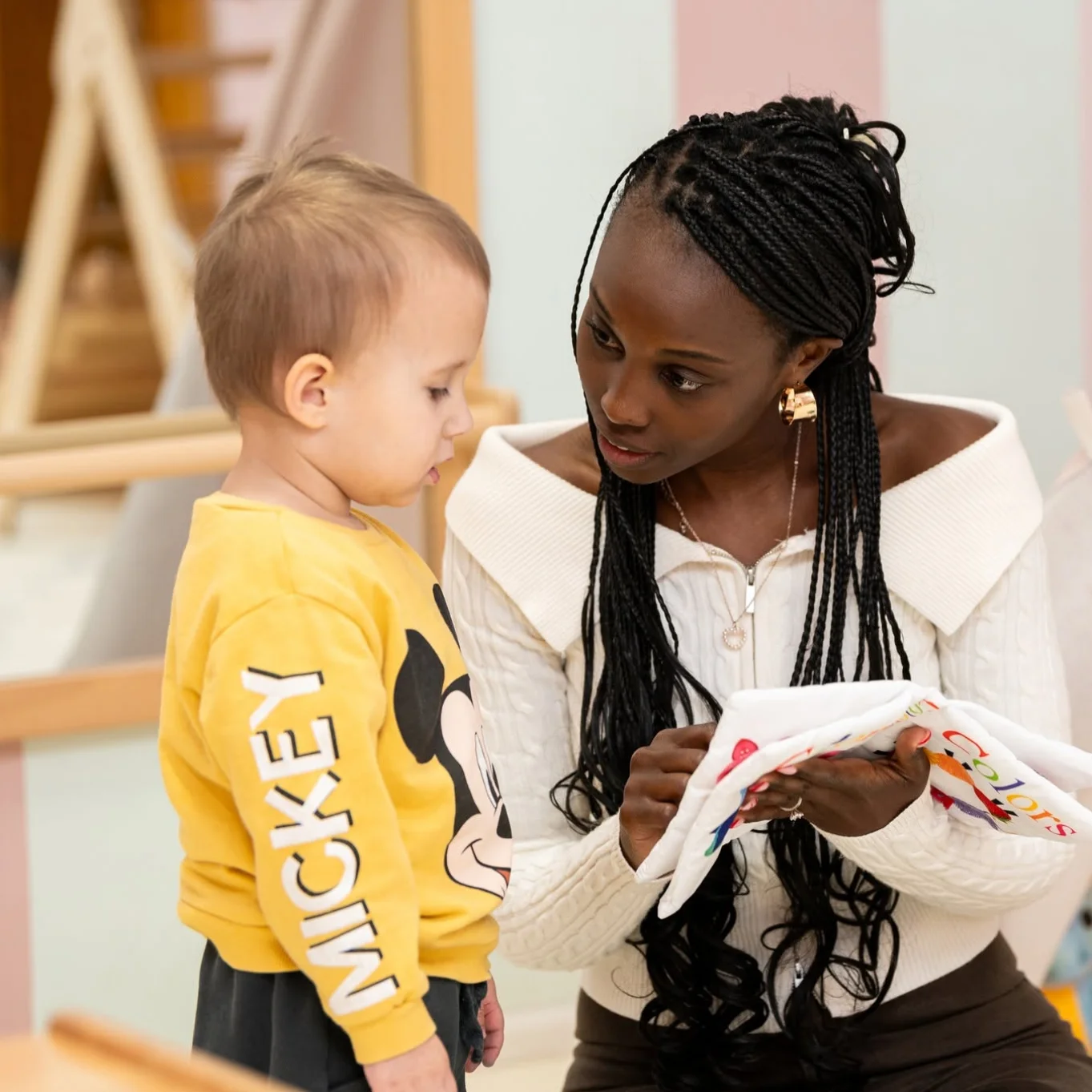
A crucial part of the Montessori approach is the role of the adult. The teacher is not a source of constant instructions, but attentively observes, analyzes the child's needs, and prepares the environment so that the child can act independently and gradually expand their capabilities.

Freedom of Choice

Freedom of Choice

Special emphasis is placed on freedom of choice within set boundaries. The child learns to make decisions, complete started tasks, respect others' presence, and gradually take responsibility for their own activity.

This develops not only an academic foundation, but also qualities that become the basis for lifelong learning: independence, intrinsic motivation, concentration, self-confidence, and respect for others.

That is why Montessori education is not a series of isolated lessons. It is a holistic educational environment where space, materials, the teacher, and the child's daily activity work as a single system.

Enroll

Choosing a kindergarten is a special step that requires trust and peace of mind. To begin our journey together, we offer not just submitting an application, but meeting in person over a cup of tea or coffee. During this warm meeting, we will gladly show you our kindergarten space, introduce you to our atmosphere, show how children play and learn, and answer all your questions about schedule, approach, and adaptation in detail.

Call us

If you prefer direct communication and would like to ask questions right now, simply call us at:

Or leave your phone number and we will call you back within an hour during working hours

By clicking the button, you agree to our Privacy Policy

NEWS

Golden Brand Award
14.06.2025

Golden Brand Award

The first Montessori kindergarten in Georgia was officially awarded the prestigious Golden Brand award for its contribution to the development of quality education.

American Stock News Interview
20.06.2026

American Stock News Interview

In an interview, Inga Pataraya spoke about how the Montessori Association Georgia is redefining early childhood education and what AMI standards are being implemented in the country.

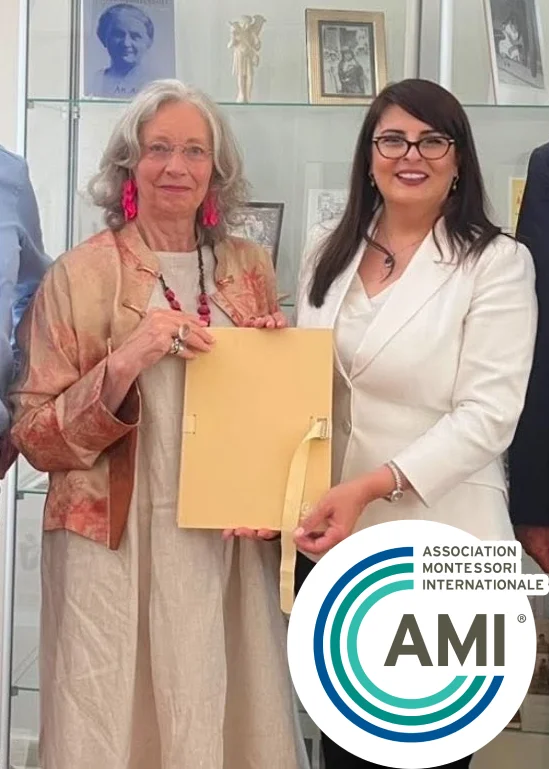
Montessori Association Georgia Becomes Affiliated Society of AMI
10.07.2026

Montessori Association Georgia Becomes Affiliated Society of AMI

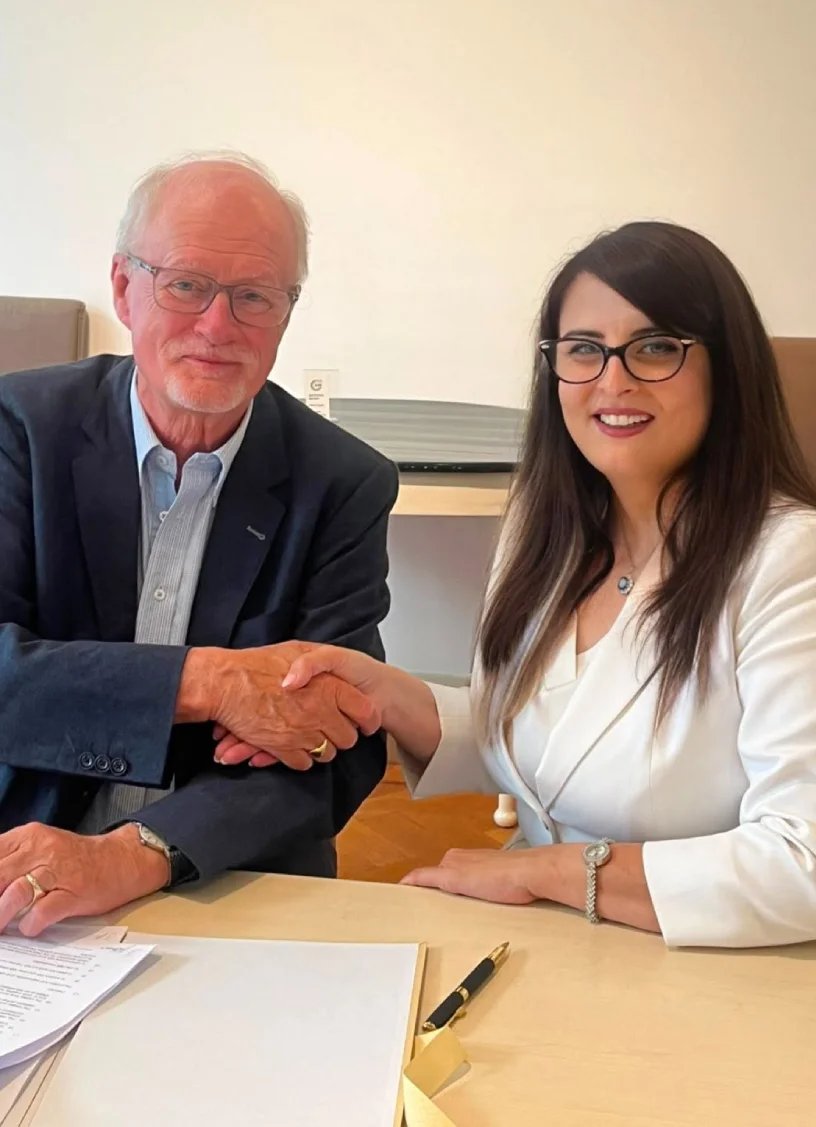
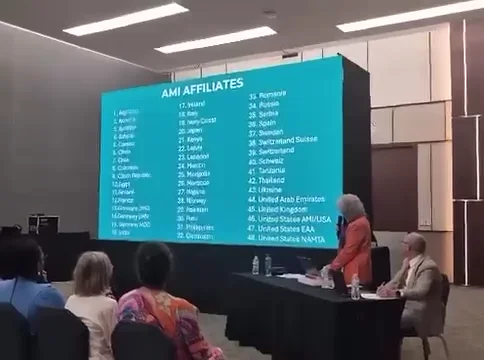
The Association has officially become an affiliated society of the Association Montessori Internationale (AMI). Georgia became the 49th country where an AMI affiliated society operates.

This international recognition once again confirms that Georgia has joined the global family of countries sharing the Montessori philosophy, built on respect for the child, freedom, independence, and humane education.

Reviews

N
Nin Samadashvili
★★★★★

I had heard many good things about the Montessori kindergarten and its team, but meeting them in person revealed even more. ❤️ This is a place where professionalism, warmth, and h... More

S
Sophia Sh
★★★★★

Very friendly and caring teachers, modern educational methods focused on the child's cognitive and emotional development. Children graduating from this kindergarten show independen... More

N
Nana Kirkitadze
★★★★★

This place is not just a kindergarten; it's an environment where children are met with love, respect, and warmth. Every child matters here. Thank you from the bottom of my heart to... More

G
gruzinka gruzinka
★★★★★

Dear Montessori Center team! Today is a special and touching day for our family. You gave our children confidence, independence, respect, and compassion. Special thanks to every t... More

M
marina safronova
★★★★★

You are the absolute best! Thank you for such a warm welcome and for your kindness to my beloved grandson! Thank you so much!

А
Аэлита Абрамян
★★★★★

I really liked it at first glance, let's see how they implement it. So far I don't see any drawbacks.

T
Tamari Kaya
★★★★★

We are very happy with this Montessori kindergarten. Our daughter has been attending for two years now, and she truly loves going there. Attentive, caring staff, healthy food, and... More

M
Mariam Gvlesiani
★★★★★

We consider it necessary to clarify that the information being circulated regarding the above situation is not fully objective and does not reflect the real circumstances. The requ... More

M
Marina Go
★★★★★

My child has been attending for two months. Montessori methodology is one of the best. Inga Pataraya is a true professional trained in Italy. Clean rooms, large green yard, easy pa... More

Contacts